Welcome!

By registering with us, you'll be able to discuss, share and private message with other members of our community.

SignUp Now!

Our Health

[td]
​
[/td]​
[td]

Blueberry is One of Nature’s Most Powerful Healers​

​
[/td]​
A Harvard nutritionist’s daily breakfast berry made the news this week. GreenMedInfo has indexed 2,315 studies on it since 2008. Here is what the record shows, with the parts the headlines ignore.
[td][/td]​
 
Hey Guys this really does help, I recommend it highly
=AZjXd2WvoILkF_wG6LWMvpgZ7wqBLEskQKrQxRFfZprNffdvTpmwk8ziGbSP_-lOSAqyl_FZqemot8O-HZidGKlbg4KHovMrePkrhLUSytnXeog61PTzZidvzvgGkvO1ldZAYGsHVWdUXedqbBAKbshButGIcSCTANrThd3Xl2zvWINQ06_SEJrUvxgCgIAVdWTcHdDh5XpB794gpB-WDugpm0jzGeZO8fIxlG-whUMaGeiCv_cVRPfUWRU5Czvsqw6aUQkJdPzcrqzGQbcik5lZTZlUiSrGgOasXqzFyiyzwLdmTw3oMJY0kg&__tn__=H-R']hC6-v8mW2fUkMVq-hN&_nc_zt=1&_nc_ht=scontent-ord5-1.webp
https://l.facebook.com/l.php?u=AUCp...TZlUiSrGgOasXqzFyiyzwLdmTw3oMJY0kg&__tn__=H-R
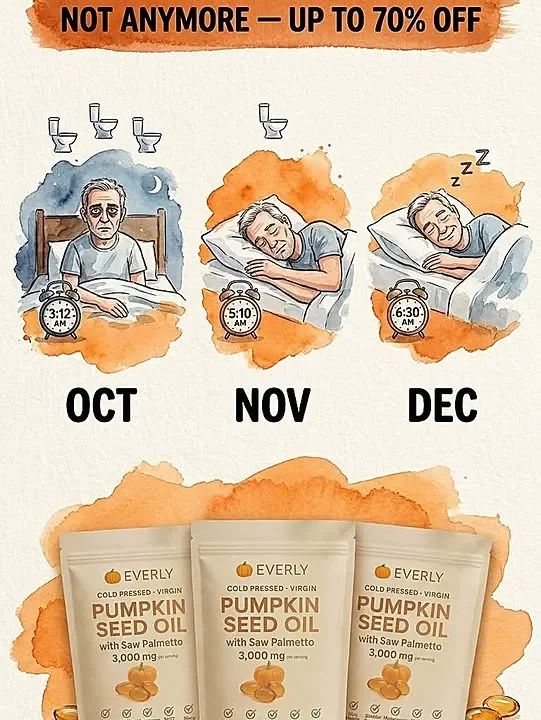
Really cuts down on the trips to the bathroom in the middle of the night
PLUS ALL MEN SHOULD USE THIS, GREAT FOR THE MALE PLUMBIN

IT'S VERY CHEAP TOO
 
May be an image of fruit and text
 
[td width="650px"]
[td width="650px"]
​
​
[td width="650px"]
Hi Jimi,Here's something that surprises almost everyone I share it with.Some probiotic strains produce histamine. Lactobacillus casei and Lactobacillus bulgaricus, two of the most common strains in yogurt and many off-the-shelf blends, are known histamine producers. Others, like Lactobacillus plantarum and Bifidobacterium infantis, are generally considered friendlier for histamine-sensitive people.So if you started a highly recommended probiotic and your anxiety, skin, or sleep got worse within a few days, you weren't imagining it.​
​
[td width="650px"]
The same goes for a lot of what gets recommended to heal the gut:Long-simmered bone brothKombucha, kefir, sauerkraut, and kimchiSpinach, tomatoes, and avocado​
​
[/td]
[/td]
[/td]
[/td]​
 
Hi Jimi,
From mashed potatoes to corn on the cob and from cranberry sauce to stuffing and gravy, side dishes are a treasured part of many holiday meals.
Most common versions lean on sugar, dairy, and refined flour. But you can remake them with whole plant foods that keep the flavor and satisfying mouthfeel.
In today’s article, you’ll find simple swaps for the classics, plus five recipes that are kinder to your body and the planet.
See the recipes
Yours for healthy traditions,
Ocean Robbins
P.S. The five recipes are Broccoli Mac ‘n Cheese, Tempeh Sausage Stuffing, Pomegranate Cranberry Sauce, Lemon Thyme Brussels Sprouts, and Slow Cooker Cauliflower Mash. Get the whole story and the recipes here.
 
Medication That Can Help With Inflammation
Latest Guide

Medication That Can Help With Inflammation​

Inflammation affects millions of people, but the right medication depends on more factors than most realize. This guide breaks down your options so you can have a smarter conversation with your doctor.

​
[/td]
 
Japan is famous for its extraordinary longevity, including its remarkable number of people who live to 100 and beyond.

And one of the most important reasons is the traditional Japanese diet.

So, here's a fascinating new guide you'll love that reveals 5 key components of the traditional Japanese diet that can help protect your HEART, improve cholesterol and blood pressure, and even help with weight control...

Get your free copy of THE 5 COMPONENTS OF A HEART-HEALTHY DIET IN JAPAN right here
 
How Inflammation Causes Atherosclerosis

Dr. Russell Blaylock, M.D., writes:


Atherosclerosis starts with inflammation in the blood vessels. When the interior lining of the vessel (called the endothelium) becomes inflamed, these cells release a substance called monocyte chemoattractant protein-1 (MCP-1) that attracts monocyte immune cells to the area. Those cells attach to the inflamed endothelial cells by releasing chemicals called vascular cell adhesion molecule-1 (VCAM-1) and intercellular adhesion molecule-1 (ICAM-1).

Normally, the endothelium prevents immune cells from passing through the endothelial cell layer lining the artery. But because of the tight adhesion, the monocytes can pass through the endothelial cell layer deeper into the artery.

Special: New Aging Research Reveals Key to Long, Healthy Life

Once inside, the monocytes convert to macrophages that gobble up the inflammatory fat. When this happens, the macrophages become what is called a foam cell. Unfortunately, foam cells can accumulate fat and eventually burst, releasing inflammatory fat into the deeper layer of the artery.

The macrophages also release at least two destructive enzymes called matrix metalloproteinases (MMPs), mainly MMP-2 and MMP-9. These enzymes destroy the arteries’ smooth muscle layer and form a plaque that bulges out into the internal channel of the artery (called the lumen), gradually obstructing blood flow. The body then attempts to contain the plaque buildup by forming a thick cap of fibrous tissue over it.

If this fibrous cap is successful at containing the inflamed fat (plaque), no thrombosis (formation of a blood clot) occurs. But if the fibrous cap is weak or thin, it can rupture and spill inflamed fat into the bloodstream, which can cause rapid clotting of blood that leads to either a heart attack or a stroke, depending on where in the body the artery involved is located.

The same series of events are the cause of peripheral vascular disease.
 
When you're facing breast cancer, your mind is pulled in a dozen directions at once...


From navigating treatments...


To choosing the right foods...


To simply getting enough rest to rebuild your strength.


Yet after 38 years in integrative oncology, there's a hidden cancer trigger that still rarely gets mentioned in a standard appointment...


The everyday products sitting in your own home.

Such as:


✘ The spray under your kitchen sink


✘ The personal care items in your bathroom


✘ The synthetic fragrances lingering in the air you breathe


Many of these "harmless" products quietly release known endocrine disruptors and toxins directly into your body.


And this is just ONE of the areas that quietly builds up your body's toxic load over time.


That's why Dr. Véronique Desaulniers (Dr. V) and I made this a critical part of our masterclass:


7 Essential Steps to Conquering Breast Cancer
 
[td width="560px"]
Hi Jimi,

Thinking about starting a fasting routine to kill cancer cells? Dr. Thomas Lodi has an important warning for you to hear first, including alarming news about dehydration.

Hear Dr. Lodi’s full warning in Episode 5: Stopping the Spread of Cancer, streaming live now.
​
[/td]​
 
When was the last time you checked in with your body without trying to figure out what was wrong?
When you’re navigating cancer or chronic illness, paying attention can become a constant search for changes. Every sensation can bring another question.
A gentle body scan offers a moment to ask something different: What am I noticing right now?
Maybe there’s warmth in your hands. Tension in your shoulders. The feeling of the chair supporting you.
You don’t have to make anything release or reach a perfectly relaxed state. Just notice what feels manageable, with a little curiosity and compassion.
And if focusing inward feels overwhelming, you can keep your eyes open, look around the room, or stop. There’s no need to push through.
Save this practice for a moment when you’d like to reconnect with yourself.
💚

Comment DISCOVER to book a free discovery call and learn about the support available through The AWAKEN Process™.

May be an image of acupuncture and text
 
Jan Jekielek breaks down how communist ideology has evolved, from the Frankfurt School to modern progressive movements, and why its promise of equality can pave the way for authoritarian control. He examines how these systems exploit divisions, undermine individual freedom, and ultimately concentrate power in the hands of those promising to create a better society.

JAN JEKIELEK THUMBNAIL

Jekielek traces a line most people have never been shown. When the working class declined to want a revolution, he argues, the project was quietly rebuilt around grievance instead, and a single influential essay supplied the moral permission to stop tolerating anyone outside it. He and Del follow that logic to where it always seems to arrive: a society fractured into camps that cannot talk to each other, and power concentrated in the hands of whoever promised to fix it.

Along the way, Jekielek names the one scientific paper that radicalized him, and explains why his biology background told him immediately that it was false. He also makes a case Del clearly shares, which is that for all the darkness in this conversation, America is still the place where this fight can be won.

WATCH NOW ON HIGHWIRE+
 

Users who are viewing this thread

  • Back
    Top