Welcome!
By registering with us, you'll be able to discuss, share and private message with other members of our community.
SignUp Now!You are using an out of date browser. It may not display this or other websites correctly.
You should upgrade or use an alternative browser.
You should upgrade or use an alternative browser.
Fun Facts
- Thread starter Jimi
- Start date
More options
Who Replied?

OP
OP

- Joined
- Feb 9, 2025
- Messages
- 4,209
Offline
[td]
[/td]
[td]
[/td][td]
Your science fact of the day
[/td][td]
Scientists have found that tornadoes are most likely to occur between 3:00 pm and 9:00 pm. However, they can happen at any time.
[/td][td]
[/td]
[td][/td]
[td]
image source: iStock.com/Francis Lavigne-Theriault
[/td][td width="100%"]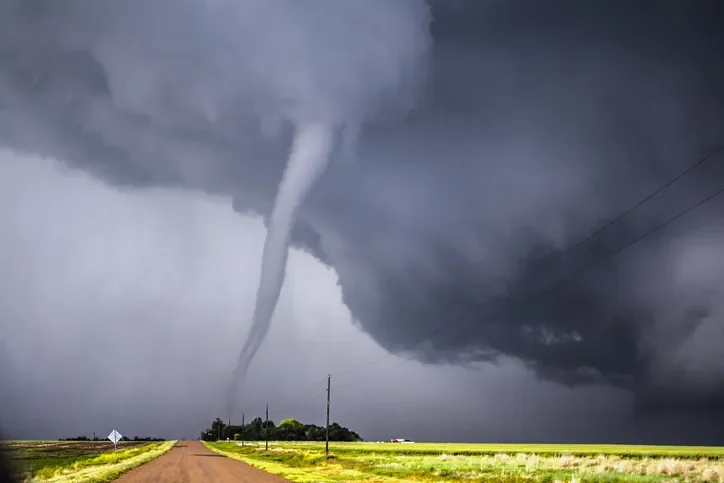 [/td]
[td]
[/td]
[td]
How would you rate today’s newsletter?
[/td]
OP
OP
- Joined
- Feb 9, 2025
- Messages
- 4,209
Offline
[td]
[/td]
[td]
[/td][td]
Your science fact of the day
[/td][td]
Scientists have found that tornadoes are most likely to occur between 3:00 pm and 9:00 pm. However, they can happen at any time.
[/td][td]
[/td]
[td][/td]
[td]
image source: iStock.com/Francis Lavigne-Theriault
[/td][td width="100%"]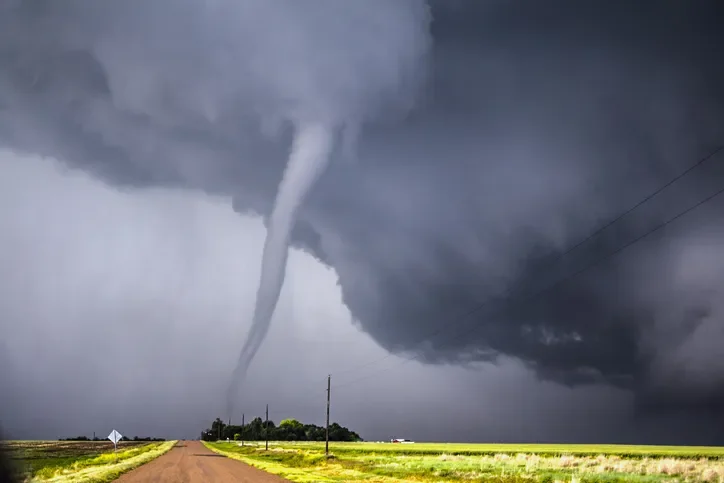 [/td]
[td]
[/td]
[td]
How would you rate today’s newsletter?
[/td]
OP
OP
- Joined
- Feb 9, 2025
- Messages
- 4,209
Offline
| |
| Hummingbirds use spiderwebs to build their nests. | |
| By Kristina Wright | |
| A hummingbird’s nest may look like a walnut-sized cup stuck to a branch, but they’re artfully engineered with spiderwebs to hold them together. The female hummingbird gathers strands of spider silk and uses them to bind plant fibers, moss, lichen, and other soft materials into a tiny cup. Depending on the species, she may build it on a tree branch, shrub, vine, or even a sheltered human-made structure. And the spider silk does more than keep the nest together: It’s strong and elastic, allowing the nest to stretch and expand as the chicks grow, which is especially useful considering the finished nest may initially be only 1 or 2 inches in diameter. The female often lines the inside with soft plant fibers and down, creating a snug space for her eggs and chicks. | |

| Birds |
[td]
 [/td]
[td] [/td]
OP
OP
- Joined
- Feb 9, 2025
- Messages
- 4,209
Offline


OP
OP
- Joined
- Feb 9, 2025
- Messages
- 4,209
Offline


OP
OP
- Joined
- Feb 9, 2025
- Messages
- 4,209
Offline
[td]
[/td]
[td]
[/td][td]
Your science fact of the day
[/td][td]
Opossums are highly capable climbers. They own this ability to their prehensile tails and “thumbs” (more formally known as hallux), which are located on their feet and help them grip tightly to surfaces.
[/td][td]
[/td]
[td][/td]
[td]
image source: iStock.com/erniedecker
[/td][td width="100%"]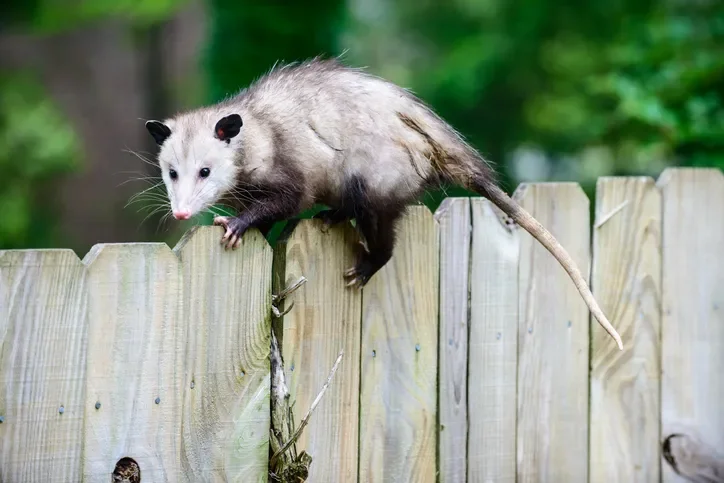 [/td]
[td]
[/td]
[td]
How would you rate today’s newsletter?
[/td]
OP
OP
- Joined
- Feb 9, 2025
- Messages
- 4,209
Offline
|
[td] Discover |
|
|
OP
OP
- Joined
- Feb 9, 2025
- Messages
- 4,209
Offline
| |
| Wombats use their armored butts to block burrow entrances. | |
| By Bennett Kleinman | |
| Perhaps no animal takes the phrase “butt out” more literally than the wombat. These creatures use their armored rumps to create an impenetrable barrier at the entrance of their burrows, thus keeping potential predators from invading their space. Wombat rear ends feature a thick, tough fascia plate made of cartilage with minimal nerve endings, so even if a predator bites or claws at it, the wombat isn’t likely to feel pain. Their hardened butt is then covered by a layer of short fur, so the predator isn’t able to snatch onto the fur and pull the wombat out of its burrow. If a predator does manage to peek its head beyond the butt and into the burrow, wombats are known to pivot from using their butts as shields to blunt weapons, bashing the invader’s skull against the burrow’s dirt walls. | |

| Mammals |
[td]
 [/td]
[td] [/td]
OP
OP
- Joined
- Feb 9, 2025
- Messages
- 4,209
Offline

| |
[td] |
OP
OP
- Joined
- Feb 9, 2025
- Messages
- 4,209
Offline
[td] Original photo by JackF/ iStock |

It’s illegal to wear camouflage in several countries. | |
| For those in the military, camouflage can be the difference between life and death. For those who simply think it looks cool, it’s considerably less essential. With that in mind, it makes a certain amount of sense that many countries have banned civilians from wearing it. | |
[td]
|
OP
OP
- Joined
- Feb 9, 2025
- Messages
- 4,209
Offline

| |
 |
OP
OP
- Joined
- Feb 9, 2025
- Messages
- 4,209
Offline

OP
OP
- Joined
- Feb 9, 2025
- Messages
- 4,209
Offline

| |
 |


Users who are viewing this thread
Total: 1 (members: 0, guests: 1)
Online statistics
- Members online
- 1
- Guests online
- 57
- Total visitors
- 58
- Robots
- 312
Totals may include hidden visitors.
Trending content
-
 Thread 'Music Game - Keep a word, drop a word from the song title or artist name'
- gopher_byrd
Replies: 2K -

-
-

-


