Welcome!

By registering with us, you'll be able to discuss, share and private message with other members of our community.

SignUp Now!

Our Health

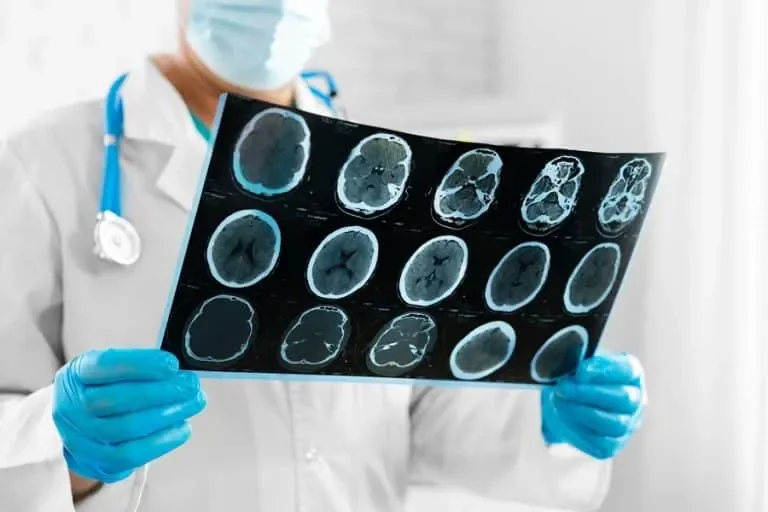
What Really Causes Strokes in Seniors?​

What Really Causes Strokes in Seniors?
Strokes rank among the most serious threats to seniors, but the reasons behind them go far deeper than simply getting older. This article unpacks the layered causes and gives you the knowledge to understand what is really at stake.


Th​

Hi there,


Quick question: do you take your vitamin D with breakfast, or on an empty stomach with your morning coffee? Turns out it matters more than most people think. Some vitamins need a bit of fat in your gut to absorb properly, while others work best on an empty stomach. Get the pairing backward often enough and you might be flushing part of every dose down the toilet, literally.


We broke down which vitamins want food, which want water, and why iron and coffee really don't mix, in our new guide:


Best Time of Day to Take Your Vitamins.


And if you've ever stood up from your desk and had your knees announce it to the whole room, we also dug into what's actually happening inside a joint when it cracks, including the doctor who cracked his knuckles twice a day for fifty years just to settle the arthritis myth once and for all.


Read it here: Why Do My Joints Crack? The Science Behind Joint Sounds and When to Worry.


Which one are you more curious about, your vitamin routine or that mysterious knee pop? Hit reply and let us know, or drop a comment on the post. And if a friend has ever asked you "wait, is it bad that my knuckles crack?", this is a good one to forward their way.


e truth about that cracking sound in your knees​

 
[td]
ount_1801%2F2602%2F98307436-s-1786342302-e4VF-full.webp​
[/td]​
[td]

6 Healthy Reasons to Eat More Real Cinnamon (Not its Cousin)​

​
[/td]​
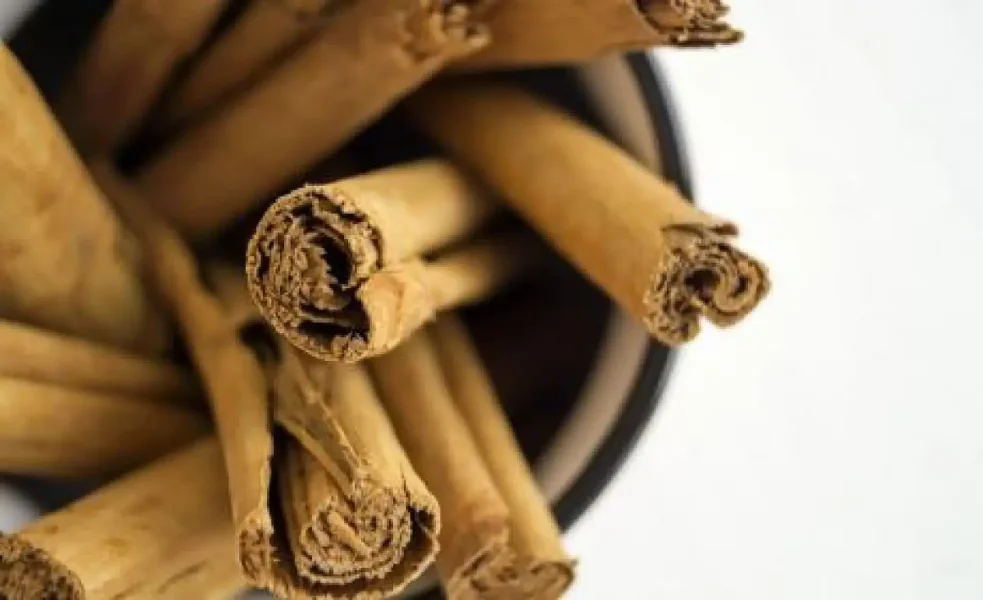
If you live in North America or Europe that jar of "cinnamon" in your cupboard is probably not truly cinnamon at all, but a very similar spice known as cassia or "bastard cinnamon."
[td][/td]​
 
Hi Jimi,
After a cancer diagnosis, nearly every conversation centers on one question: Which treatments should I do?
Chris Wark asked another. What can I do, every day, to help my body heal?
Chris was diagnosed with stage IIIC colon cancer at 26. That question led him to overhaul his diet and lifestyle and to spend the next two decades researching nutrition, stress, sleep, environment, and more. Today, more than 20 years later, he's healthy and cancer-free.
His 10-module program, SQUARE ONE, turns what he learned into a clear starting point. It works alongside whatever conventional treatment choices people make, and it's just as valuable for anyone who wants to prevent cancer in the first place.
For a limited time, the entire program is free to watch.
Get your pass to watch SQUARE ONE
To a long and vibrant life,
Ocean Robbins
P.S. The best time to learn this is before you ever need it. Find out more and sign up for SQUARE ONE here.
P.P.S. Chris isn’t promising miracle cures. He’s sharing the results of his research and his personal experience. As with all things, use your best judgment, and when necessary or appropriate, consult your health care provider.
 
[td]

What the U.S. Supreme Court’s Pesticide Ruling Means for Gardeners and Farm Workers​


Bill Jeffery, The Conversation:

“In June, the United States Supreme Court ruled that state governments’ duty-to-warn laws do not oblige chemical manufacturer Monsanto to disclose a cancer risk on its pesticide labels. Monsanto manufactures the well-known pesticide Roundup that has been the subject of thousands of lawsuits in the U.S. and Canada.

The company argued that if the U.S. Environmental Protection Agency (EPA) does not require a cancer warning label, states cannot hold it liable in court for failing to warn consumers about cancer risks.

In their decision, the U.S. Supreme Court made no pronouncements on whether glyphosate causes cancer, only that the EPA is the sole arbiter of label warnings.

The decision also forbade anyone else from issuing cancer warnings — including states, lower courts and manufacturers — unless the EPA approves.”

The EPA appears to have primarily made its decisions based on confidential data and studies provided by regulated companies, and largely ignored studies published in peer-reviewed scientific journals.​
[/td]​
[td width="50px"]
Facebook share​
[/td]​
[td width="50px"]
Share on X​
[/td]​
Add an ALT tag
[td]
TAKE ACTION​

Tell the EPA to Ban Glyphosate Now​


The EPA is reviewing which scientific studies it will use to decide whether glyphosate, the world’s most widely used weedkiller, is safe. Public comments are open until November 23, 2026.

​

For years, the EPA has told the public that glyphosate is safe at the levels we’re exposed to in food and water. The study behind that claim has now been retracted. It relied on unpublished Monsanto data, and the authors never disclosed that Monsanto paid them for the work.

Bayer has already paid out roughly $11 billion to settle more than 100,000 Roundup cancer lawsuits. Tens of thousands more are still pending.

Tell the EPA its glyphosate review needs to be based on independent, peer reviewed science, not a retracted, industry funded study.

LEARN MORE: EPA and HHS Teaming up on Expanded Review of Glyphosate Weedkiller Safety

TAKE ACTION: Tell the EPA to Ban Glyphosate Now!​
[/td]​
 
[td]

BRAIN HEALTH
​


Rosemary Is Linked to Better Memory, Lower Anxiety and Alzheimer’s Protection​


Dipa Kamdar, The Conversation:

​

“Historically, rosemary has been linked to memory and mental clarity. In ancient Greece and Rome, students and scholars used rosemary in the hope of sharpening concentration and recall. Modern science is finding there may have been something in this: in one study, people who inhaled rosemary’s scent performed better on memory tasks compared to those in an unscented environment.

So, how does rosemary work on the brain? There are several mechanisms at play. For starters, rosemary stimulates blood circulation, including to the brain, helping deliver more oxygen and nutrients, which may improve mental clarity. It also has calming properties; some studies suggest its aroma can reduce anxiety and improve sleep. Lower stress can mean better focus and memory retention.”

Rosemary contains compounds that interact with the brain’s neurotransmitters.​
[/td]​
 
​


​


​


​


​


​
​


Add an ALT tag

[td]
​
HEALTH


​

Hormone-Disrupting Herbicide Contaminating 25% of Continental U.S. Rivers, Report Finds​


Tom Perkins, The Guardian:


“The hormone-disrupting herbicide atrazine is contaminating nearly 25%, or about 860,000 miles, of all continental US rivers at levels that can harm wildlife and may threaten human health, a new review of federal records has found.


The waterways cover over 20% of surface drinking water intakes across the country, and over 675,000 private and commercial wells.

Atrazine can have severe impacts on human and animal hormones, especially for developing children. It was found to ‘chemically castrate’ frogs, and cause some to change sexes. The herbicide is so dangerous that it has been effectively banned in 60 countries, including the European Union, since 2003. Litigation in the US seeks to strike down its approval, but it remains the second most widely used pesticide here, with about 70m pounds sprayed on the nation’s cropland annually.”

The report, compiled by the Center for Biological Diversity, which advocates for stricter pesticide regulations, marks the first time anyone has analyzed all the EPA’s atrazine records and identified the threat’s extent.

Read the report: Pernicious Pesticide: Atrazine’s Growing Threats To Drinking Water, Rivers, People, and Wildlife


[/td]

​

[td width="50px"]


[/td]
[td width="50px"]


[/td]​


Add an ALT tag

[td]
​
URGENT ACTION ALERT


​

Ban Toxic Sewage Sludge From Farmland​


Heads up: the EPA pushed back its comment deadline on the PFAS biosolids guidance from September 4 to October 5, so there’s still time to weigh in if you missed the original date!


Tell the EPA:

Protect human health and the environment, the Environmental Protection Agency should stop industry from releasing harmful chemicals into wastewater and at the very least, ban contaminated sewage sludge from being disposed of on land or used as “fertilizer.”

PFAS-contaminated toxic sludge should never be spread on farmland, and the EPA should ban the practice outright. More than that, it should stop the pollution at its source by banning fire-retardant, non-stick, water-resistant, herbicidal, and insecticidal PFAS chemicals across consumer products, manufacturing, the military, firefighting, and food and farming. Please protect human health from every harmful forever chemical, with enforceable limits, not voluntary guidance.

TAKE ACTION BY OCTOBER 5: Tell the EPA to Ban Toxic Sludge From Farmland!

Watch the Sludge War Documentary trailer here.

[/td]​

[/td]

[/td]
 
[td]
Hope​
[/td]​
[td]
It isn’t enough to talk about peace. One must believe in it. And it isn’t enough to believe in it. One must work at it.​
[/td]​
[td]
~
[/td]​
[td]
Eleanor Roosevelt​
[/td]​
 
If you've been on a health journey for a while, or a healing journey of any kind, this may sound familiar:

You've done the work, and done it properly: the protocols, the labs, the elimination diets, a handful of practitioners. You're better than you were… but you're not where you want to be, and no one can quite explain why.

Maybe everything works for about three weeks… and then sort of stops.

Maybe the reaction list keeps getting longer: foods, supplements, products, or environments that didn't used to be a problem for you. Maybe your symptoms follow a particularly hard week or conversation more reliably than whatever you ate that week.

Or maybe the work you've done has been on the inside: therapy, books, courses, years of real insight. You can name your patterns and where they came from. You’re one of the most self-aware people you know. And yet the patterns still run you in the moments when it matters. The shutting down, or the knee-jerk sharp reply, or saying yes when you didn’t mean it...

For a lot of people, it's both. The health protocols, nutrition, labs, etc., AND the inner work.

However, there's a piece underneath all of it that never made it onto the protocol, or into the therapy room: your nervous system.

When your nervous system is bracing for a threat, your body stops prioritizing things like digestion, repair, and immune function
… the exact things your protocols have been aiming at. It's not that the protocols were wrong. They were applied on top of nervous system dysregulation that hadn't been addressed yet.

That same state is what fires the underlying patterns that you’re so self-aware of but can’t seem to uninstall from your programming. It runs below thought, faster than any decision. That's why understanding a pattern, even precisely, very often doesn't change it.

Safety is FELT in the body, not reasoned into it.

And this isn't a personal failing. Your nervous system learned to respond the way it does for good reasons, under conditions that called for it. The problem is that it's still running this way, in a life that no longer needs it.

There's another cost, too, and it doesn't show up on any lab. Being a full-time patient takes up a lot of energy, time, and space in your life. Your world gets a little smaller, and you call it “being careful”. You live your life around avoiding symptoms, and it feels like the only option.

Or you're doing well from the outside and managing yourself the whole way through on the inside: every conversation, every reaction, every version of you that shows up. That takes the same energy, and nobody sees it.

You may have noticed that the nervous system is one of the biggest topics in health right now. That's for good reason, but unfortunately, there's a lot of confusing and conflicting information out there.

Much of the information about "regulating your nervous system" focuses on calming down. For a lot of people, that isn't what their nervous system needs, and it can actually make symptoms a lot worse. Your body and nervous system are unique… and they require more nuance and depth than a few oversimplified lines on an Instagram post can cover.

That's why I'm teaching a free live nervous system workshop for our community.

The Language of Your Nervous System with Michael Roesslein

🗓 Tuesday, October 13 — 7pm ET / 4pm PT
📍 Live on Zoom

Register here: [REGISTRATION LINK]
 
[td]
[td]
[td]
Hi ,


The people who live longest aren't the ones with the best doctors. They're the ones who got a handful of daily habits right — decades before they needed them.


That's really the whole idea behind The Longevity Summit — a free online event running October 3–7 that digs into what actually moves the needle on living well, not just living long.


Save your free seat here →


Hosted by Dr. Joseph Antoun, MD, PhD and Dr. David Jockers, DNM, DC, alongside 30+ researchers and clinicians, it gets into the good stuff:

  • What the science really says about fasting and fasting-mimicking approaches
  • Food as medicine — the everyday eating choices that do the heavy lifting
  • Why when you eat may matter as much as what you eat
  • The daily habits with real evidence behind them — and the ones that just have a supplement attached
No promises to stop the clock. Just the small, repeatable decisions that quietly compound over a lifetime — the ones most of us were never actually shown.


Five days, free to watch, October 3–7.


In good health,​
[/td]​
[/td]​
[/td]​
 
If you’d like an extra-large serving of truth bombs and aha moments, we certainly delivered this week as per usual whenever we have Dr. Wolfe on with us, Jim!

I’m not even going to try to recap point by point, as there was just so much there, but at the end of the day, if you’ve got a chronic health condition of any kind…

Dr. Wolfe has such a good way of explaining how what it really “is” has been lied about, along with the true root cause and how to fix it.

If you weren’t on live, it was a wild ride merging health insights & inspiration with “unraveling the lies” type stuff, which everyone loved, and I’d highly encourage you to 👉 watch the replay!!
 
Hi Jimi,
Dr. Joel Fuhrman has written in every one of his books that food does the heavy lifting. Plants contain more than ten thousand phytochemicals, and no pill comes close.
So when he puts his name on a supplement, I want to know why.
Immune Biotect is built around nine organic mushroom species. Shiitake and maitake you might find at the market. Most of the others, like reishi, chaga, and turkey tail, are too woody or bitter to eat, so for centuries people have brewed them into concentrates instead. They're rich in beta-glucans, compounds your immune cells appear to recognize and respond to.
He added organic elderberry for flavonoid antioxidants, prebiotic fiber for the gut wall where much of your immune tissue lives, and astragalus root.
A steady immune system is part of what lets you keep showing up for the people and work you love, season after season.
Learn more about Immune Biotect
Food Revolution community members can save $5 with code FRN5.
When you purchase through this link, Dr. Fuhrman contributes a portion of the proceeds to support Food Revolution Network's mission. (Thank you!)
Yours for a resilient immune system,
 

The bottom half of the healing iceberg​

If you’re doing everything right for your health and still not seeing the results you hoped for, this one is for you.


Maybe you’ve changed your diet.


Taken the supplements.


Done the tests, the protocols, the treatments.


And you still struggle with pain, inflammation, fatigue, poor sleep, or a quiet fear that things could get worse.


Those strategies can be valuable, and I’m not asking you to give any of them up.


But after more than 20 years of research and hundreds of interviews with doctors, researchers, and people who experienced remarkable recoveries, I’ve started to wonder whether we’ve been looking at healing backward.


I used to think of health like an iceberg.


Above the surface: nutrition, supplements, exercise, testing, and treatments.


Below the surface: sleep, rest, emotional healing, and the state of your nervous system.


Most of us focus almost entirely on the top.


But what if the part below the surface deserves far more attention?


When your nervous system keeps receiving the message “Something is wrong. I’m not safe,” that stress response may never fully switch off. And research shows psychological stress can influence immune function and inflammatory signaling.


That doesn’t mean your symptoms are “all in your head.”


It means your mind, nervous system, and immune system are constantly communicating.


In my new article, I share:


  • Why your nervous system may be the overlooked piece of the healing puzzle.

  • 9 simple, no-cost practices that can help create a more supportive internal environment, from breathing and humming to Yoga Nidra and somatic release.

  • What studies have found about meditation, gentle yoga, and inflammatory markers.

  • A four-step sequence that can change how you respond to a frightening phone call or a sleepless night.

  • Why adding more protocols isn’t the answer, and what may help instead.


👉 Read the full article: Why Diet, Supplements and Treatments May Not Be Enough to Help Your Body Heal »

To your health,
 

Users who are viewing this thread

Happy New Year!!!
christmas-tree
Back
Top