Welcome!
By registering with us, you'll be able to discuss, share and private message with other members of our community.
SignUp Now!You are using an out of date browser. It may not display this or other websites correctly.
You should upgrade or use an alternative browser.
You should upgrade or use an alternative browser.
Fun Facts
- Thread starter Jimi
- Start date
More options
Who Replied?


OP
OP

- Joined
- Feb 9, 2025
- Messages
- 6,410
Offline

OP
OP
- Joined
- Feb 9, 2025
- Messages
- 6,410
Offline

| |
 |
[td]
[/td]
OP
OP
- Joined
- Feb 9, 2025
- Messages
- 6,410
Offline
[td]
[/td]
[td]
[/td][td]
Your science fact of the day
[/td][td]
Because their diets are mostly made up of plant matter that is naturally low in sodium and calcium, porcupines crave salt and seek out sources of it, including salt licks, shed deer antlers, and the bones of dead animals. They may even try to eat man-made decks and other wooden structures if the wood has been treated with preservatives that contain salt!
[/td][td]
[/td]
[td][/td]
[td]
image source: iStock.com/naotto1
[/td][td width="100%"]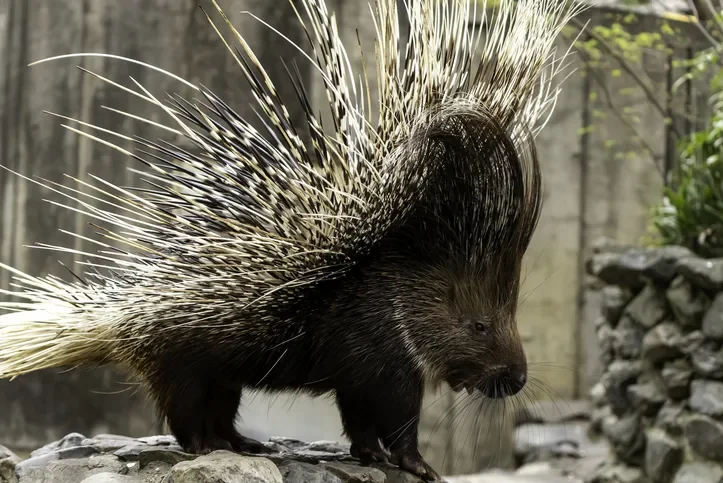 [/td]
[td]
[/td]
[td]
How would you rate today’s newsletter?
[/td]
OP
OP
- Joined
- Feb 9, 2025
- Messages
- 6,410
Offline
|
OP
OP
- Joined
- Feb 9, 2025
- Messages
- 6,410
Offline
 | |
Hawaii has a reverse waterfall. | |
| Next time you feel like defying gravity, consider a trip to Hawaii — specifically the island of Oahu, which is home to a reverse waterfall. Also known as the Upside Down Waterfall, Waipuhia Falls sprays up Mount Konahuanui and can be seen from Route 61 (the Pali Highway). So how does it work? | |
[td]
|
[td]
Original photo by StefaNikolic/ iStock
[/td]
OP
OP
- Joined
- Feb 9, 2025
- Messages
- 6,410
Offline

| |
 |
OP
OP
- Joined
- Feb 9, 2025
- Messages
- 6,410
Offline
[td] Original photo by peepo/ iStock |

There are no endemic snakes in Ireland. | |
| For the 2% to 3% of people with genuine ophidiophobia (fear of snakes), not to mention the 50% who just feel anxious about the reptiles, Ireland may seem like heaven on Earth. That’s because throughout its entire modern history, the Emerald Isle has been home to precisely zero endemic snake species. Popular legend tells of St. Patrick driving serpents from the island in the fifth century CE, but snakes actually disappeared from the country much earlier than that — and for an entirely different reason. | |
[td]
| |

OP
OP
- Joined
- Feb 9, 2025
- Messages
- 6,410
Offline
[td] Original photo by Yana Tikhonova/ iStock |

Some pet food companies employ human taste testers. | |
| Some 95 million U.S. households own at least one pet, which means there’s a bustling industry for nutritional products that keep our animal companions happy and healthy. And since Fido isn’t likely to elaborate on how his breakfast tastes (satisfying crunch, but a little too much salmon?), some companies employ two-legged testers for more insightful evaluations. | |
[td]
|
OP
OP
- Joined
- Feb 9, 2025
- Messages
- 6,410
Offline
|
OP
OP
- Joined
- Feb 9, 2025
- Messages
- 6,410
Offline
[td]
[/td]
[td]
[/td][td]
Your science fact of the day
[/td][td]
Newborn Prehensile-Tailed Skinks consume the fecal matter of their parents or other adults. This allows them to gain the gut flora necessary to digest plant material in their native habitat, the Solomon Islands.
[/td][td]
[/td]
[td][/td]
[td]
image source: iStock.com/Oleksandra-Kharkova
[/td][td width="100%"]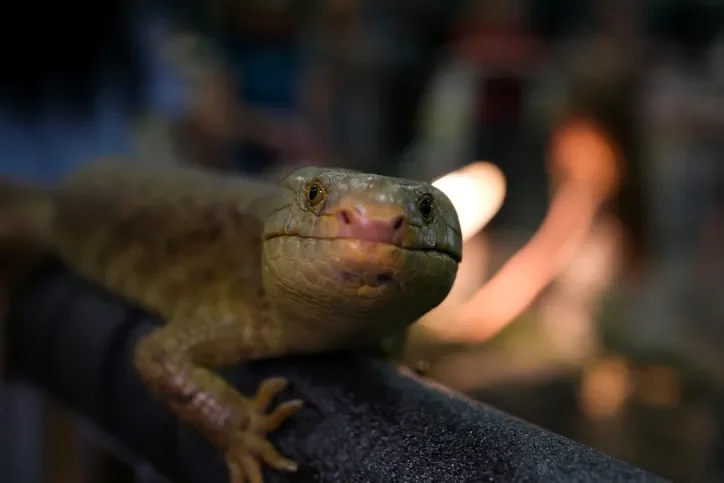 [/td]
[td]
[/td]
[td]
How would you rate today’s newsletter?
[/td]
OP
OP
- Joined
- Feb 9, 2025
- Messages
- 6,410
Offline
|
OP
OP
- Joined
- Feb 9, 2025
- Messages
- 6,410
Offline

| |
 |


Users who are viewing this thread
Total: 2 (members: 0, guests: 2)
Online statistics
- Members online
- 3
- Guests online
- 235
- Total visitors
- 238
- Robots
- 185
Totals may include hidden visitors.
Trending content
-
 Thread 'Music Game - Keep a word, drop a word from the song title or artist name'
- gopher_byrd
Replies: 3K -

-
-

-


