When it comes to transportation, Americans and Brits have one thing in common: Both consider the other to be driving on the wrong side of the road. But how did it come to this?
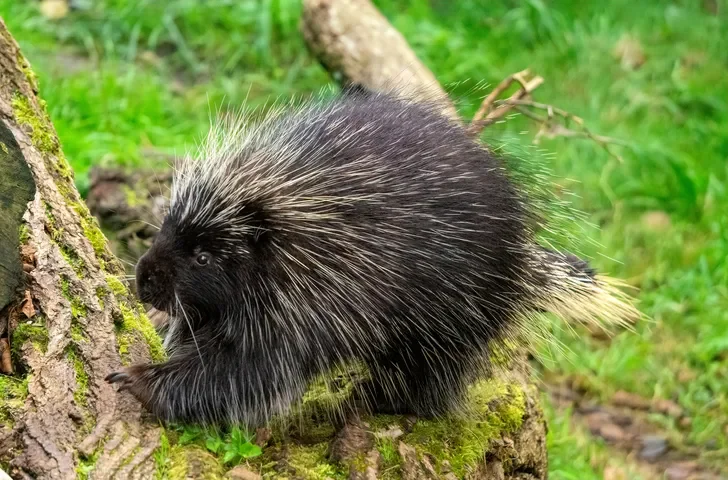
Porcupines are quite slow-moving. In fact, their top speed is roughly 2 mph. Their strong defenses usually mean that they don’t need to flee from predators, but if they are approached, they will rapidly shuffle backwards and wedge themselves into a hollow or burrow until the predator moves on.
Many musicians spend countless hours in rehearsal studios perfecting their tunes. But to some songbirds, rehearsing is also second nature; they’re even known to practice singing in their sleep. This behavior is similar to how a dog’s paws twitch while it snoozes, only in the case of songbirds, it’s the vocal muscles in the throat that experience subconscious movement.
Researchers confirmed this phenomenon by implanting electrodes in sleeping birds such as the zebra finch. While zebra finches are known to croon in a more methodical staccato style when awake, the birds were observed producing disjointed, sporadic notes as they slept, a behavior researchers likened to “learning a musical instrument.” Similar — albeit less common — behavior has also been viewed in great kiskadees, which produced louder and more aggressive tones in their sleep.
The Earth shakes every 26 seconds, and scientists aren’t sure why.
Like a lot of strange happenings, it was first noticed in the 1960s: a minor seismic pulse, large enough to register on seismological instruments but small enough to go otherwise unnoticed, occurring every 26 seconds. Researchers have since traced the microseism to the Gulf of Guinea — but the “why” behind it is still a bit of a mystery.
This site uses cookies to help personalise content, tailor your experience and to keep you logged in if you register.
By continuing to use this site, you are consenting to our use of cookies.
Once you have inputted your email, if registering, look for a activation code we sent via Email.
Then place that code either at registration page or I have a verification code, if reregistering.