Welcome!
By registering with us, you'll be able to discuss, share and private message with other members of our community.
SignUp Now!You are using an out of date browser. It may not display this or other websites correctly.
You should upgrade or use an alternative browser.
You should upgrade or use an alternative browser.
Gardening: everything from what you're growing to memes to links
- Thread starter gopher_byrd
- Start date
More options
Who Replied?

- Joined
- Feb 9, 2025
- Messages
- 4,083
Online
Here ya go, Jimi!
Click below to download the complimentary eGuide you requested.

>>> Click here for your copy of Edible Flowers for Beneficials <<<
When it comes to protecting your garden, you want the right garden allies without losing any garden space!
Inside the Edible Flowers for Beneficials eGuide, you’ll learn:
 8 keys to successfully encourage beneficials to your garden
 The amount of garden space that should consist of beneficial plants
 30+ edible plants to add to your garden that beneficials love
You want your garden to be strong and resilient to get the healthiest food possible with the least amount of effort. And to do that, you need to attract beneficials to help you manage your garden.
But why sacrifice your harvests when you can plant for both you and the beneficials?
As you partner with nature correctly and deepen your relationship, you’ll find nature can do most of the garden work for you.
To your thriving garden!
 Grow Your Own Vegetables Team
Click below to download the complimentary eGuide you requested.
>>> Click here for your copy of Edible Flowers for Beneficials <<<
When it comes to protecting your garden, you want the right garden allies without losing any garden space!
Inside the Edible Flowers for Beneficials eGuide, you’ll learn:
8 keys to successfully encourage beneficials to your garden The amount of garden space that should consist of beneficial plants 30+ edible plants to add to your garden that beneficials loveYou want your garden to be strong and resilient to get the healthiest food possible with the least amount of effort. And to do that, you need to attract beneficials to help you manage your garden.
But why sacrifice your harvests when you can plant for both you and the beneficials?
As you partner with nature correctly and deepen your relationship, you’ll find nature can do most of the garden work for you.
To your thriving garden!
Grow Your Own Vegetables Team 
- Joined
- Feb 9, 2025
- Messages
- 4,083
Online
Click below to download the complimentary eGuide you requested.

>>> Click here for your copy of Edible Flowers for Beneficials <<<
When it comes to protecting your garden, you want the right garden allies without losing any garden space!
Inside the Edible Flowers for Beneficials eGuide, you’ll learn:
8 keys to successfully encourage beneficials to your garden
The amount of garden space that should consist of beneficial plants
30+ edible plants to add to your garden that beneficials love
You want your garden to be strong and resilient to get the healthiest food possible with the least amount of effort. And to do that, you need to attract beneficials to help you manage your garden.
But why sacrifice your harvests when you can plant for both you and the beneficials?
As you partner with nature correctly and deepen your relationship, you’ll find nature can do most of the garden work for you.
To your thriving garden!
Grow Your Own Vegetables Team
>>> Click here for your copy of Edible Flowers for Beneficials <<<
When it comes to protecting your garden, you want the right garden allies without losing any garden space!
Inside the Edible Flowers for Beneficials eGuide, you’ll learn:
8 keys to successfully encourage beneficials to your garden The amount of garden space that should consist of beneficial plants 30+ edible plants to add to your garden that beneficials loveYou want your garden to be strong and resilient to get the healthiest food possible with the least amount of effort. And to do that, you need to attract beneficials to help you manage your garden.
But why sacrifice your harvests when you can plant for both you and the beneficials?
As you partner with nature correctly and deepen your relationship, you’ll find nature can do most of the garden work for you.
To your thriving garden!
Grow Your Own Vegetables Team
- Joined
- Feb 9, 2025
- Messages
- 4,083
Online
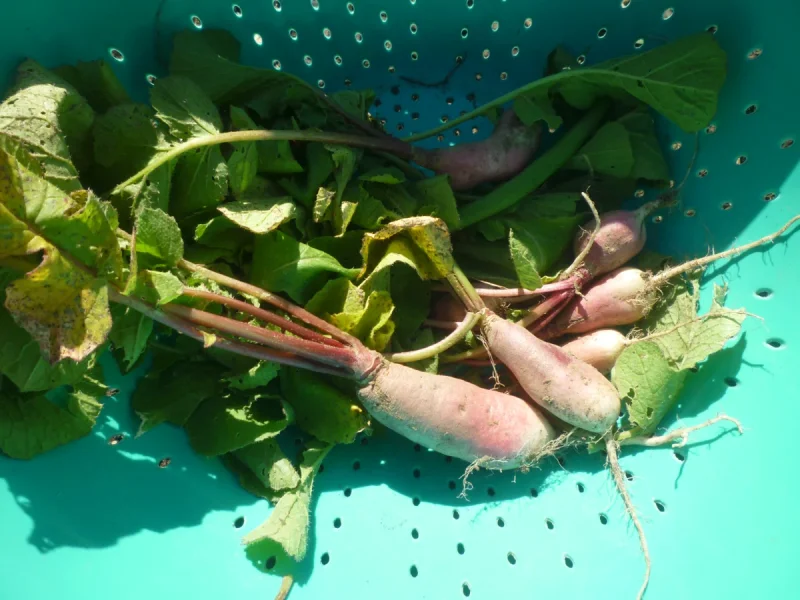
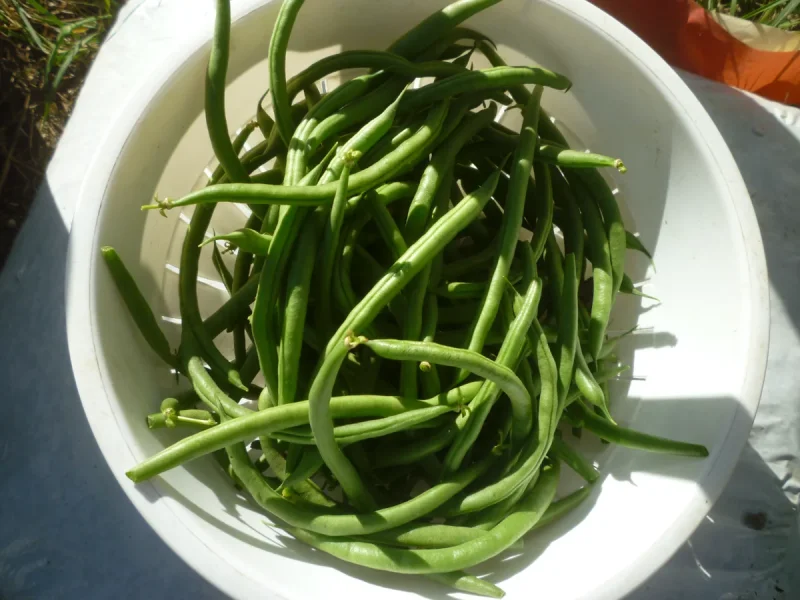
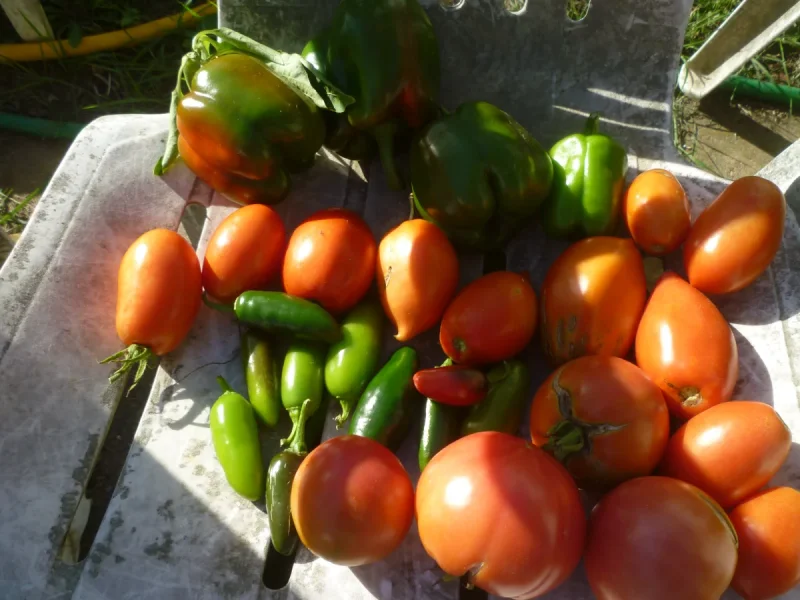
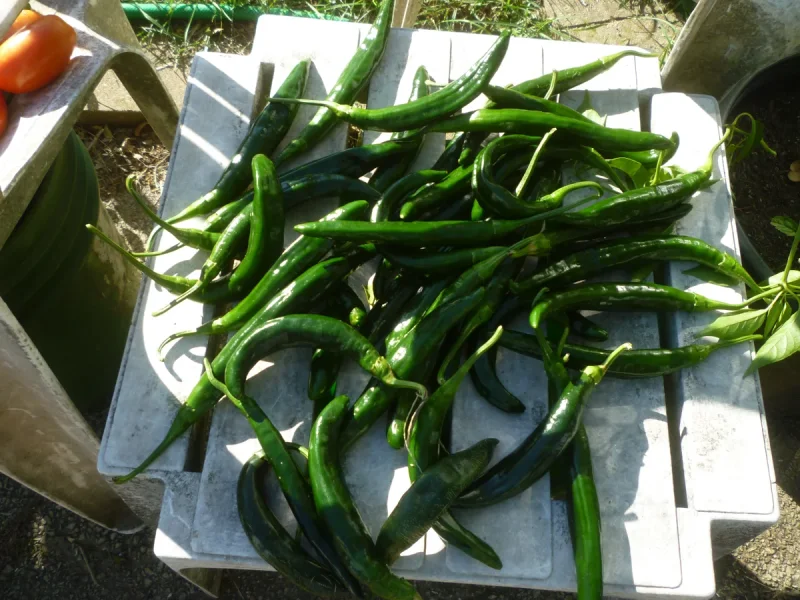
I was feelin a little better today so made myself go out and pick maters and peppers (started out to just go out for a look see but seen the little groundhog has grown some and has started to terrorising my garden again so I went ahead and picked peppers and maters) and the peppers are just startin to turn red again
But here's some he isn't gettin
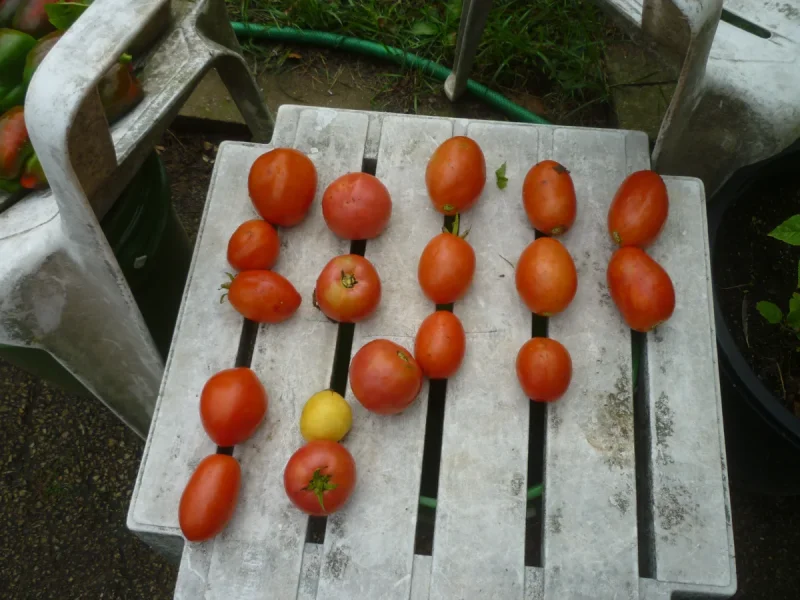
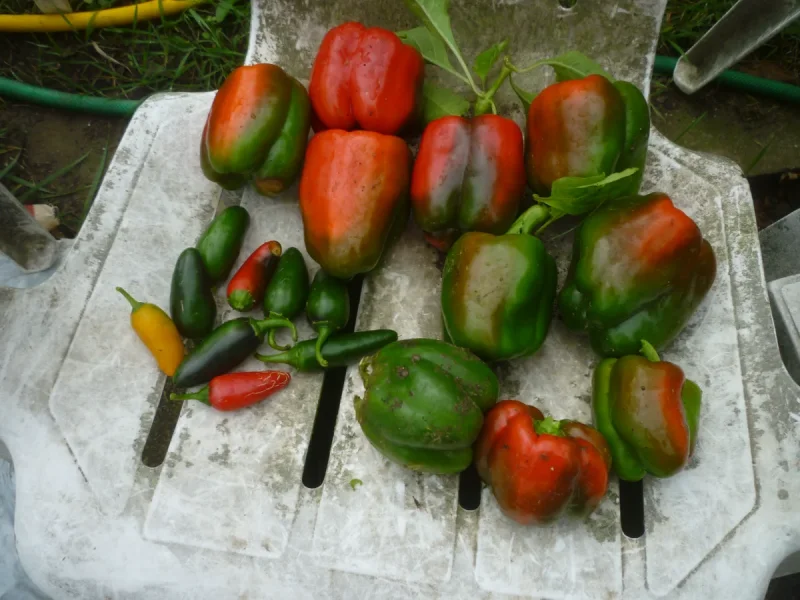
But here's some he isn't gettin
- Joined
- Feb 9, 2025
- Messages
- 4,083
Online
| ||
| ||
|
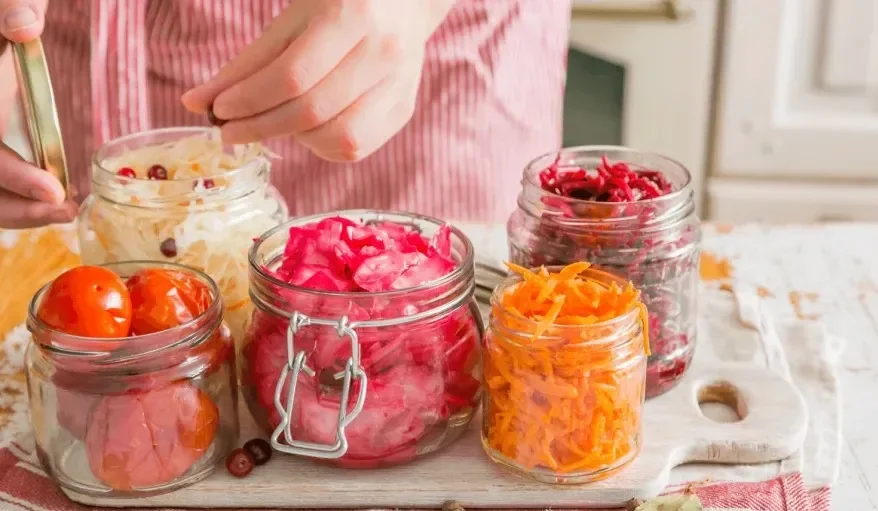
 How fermentation helps you make the most of your harvest
 How simple ingredients can develop completely new flavors
 The basic equipment that can help you get started✔ Important food-safety practices to know before you begin
- Joined
- Feb 9, 2025
- Messages
- 4,083
Online
| ||
| ||
| ||
| ||
| ||
|
 From Scraps to Apple Cider Vinegar
- Joined
- Feb 9, 2025
- Messages
- 4,083
Online
| ||
| ||
| ||
| ||
| ||
| ||
| ||
| ||
| ||
|
 Start Fermenting Today
 Get the Free 23 Superfoods Guide
 Garden Tip: The Simple Compost Ratio
- Joined
- Feb 9, 2025
- Messages
- 4,083
Online
So, for how long does a varroa mite stay on an adult bee?
That Varroa mite you see riding on a worker is not necessarily looking for a brood cell immediately.
When brood is available, female Varroa usually spend several days on adult bees before entering another cell, with commonly cited estimates around 4 to 11 days.
Other research describes the period more broadly as anywhere from 1 to 10 days or even longer, so there is definitely no fixed countdown.
And we should probably stop calling this simply the phoretic phase.
Scientists increasingly call it the dispersal phase because the mite is not just hitchhiking on the bee.
She is feeding on the adult bee while being transported through the brood nest, usually preferring young nurse bees that constantly visit larvae.
Who would have thought?

That choice is brilliant from the parasite's perspective.
A nurse bee basically becomes transportation directly toward the next generation of suitable brood.
This should clarify the question.
If you enjoyed this article, I invite you to read the first chapter of my book (You can find it in my bio
 )
)
For all the paid members who keep my lights on and my dream of making worldwide beekeeping education available for free, I wish to thank you from the bottom of my heart

Happy beekeeping and healthy winter bees


That Varroa mite you see riding on a worker is not necessarily looking for a brood cell immediately.
When brood is available, female Varroa usually spend several days on adult bees before entering another cell, with commonly cited estimates around 4 to 11 days.
Other research describes the period more broadly as anywhere from 1 to 10 days or even longer, so there is definitely no fixed countdown.
And we should probably stop calling this simply the phoretic phase.
Scientists increasingly call it the dispersal phase because the mite is not just hitchhiking on the bee.
She is feeding on the adult bee while being transported through the brood nest, usually preferring young nurse bees that constantly visit larvae.
Who would have thought?
That choice is brilliant from the parasite's perspective.
A nurse bee basically becomes transportation directly toward the next generation of suitable brood.
This should clarify the question.
If you enjoyed this article, I invite you to read the first chapter of my book (You can find it in my bio
For all the paid members who keep my lights on and my dream of making worldwide beekeeping education available for free, I wish to thank you from the bottom of my heart
Happy beekeeping and healthy winter bees
- Joined
- Feb 9, 2025
- Messages
- 4,083
Online

For many gardeners, October is garlic-planting time, which makes now a great time to get ready.
In this session from our Superfood Garden Summit, commercial garlic grower Dax Funderburk walks you through the process from planting to harvest, including hardneck vs. softneck garlic, spacing and soil, mulching, what to do with garlic scapes, and how to cure your harvest for long-term storage.
Plant it this fall, tuck it in for the winter, and next summer you could be harvesting your own homegrown garlic.
Watch
http://youtube.com/watch?v=6OtZ3DFTgDA&feature=youtu.be

- Joined
- Feb 9, 2025
- Messages
- 4,083
Online
| |
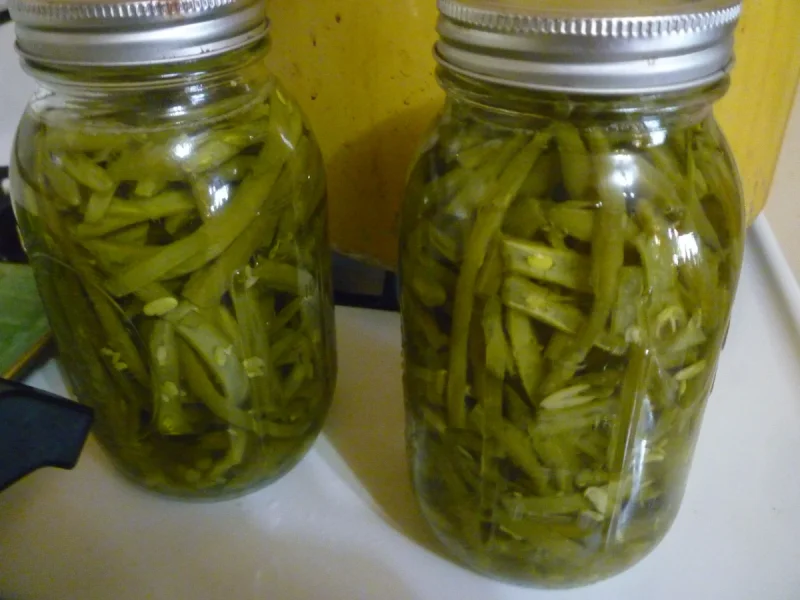
 How to Harvest and Store Kale (And Keep It Growing)




Users who are viewing this thread
Total: 2 (members: 0, guests: 2)
Online statistics
- Members online
- 6
- Guests online
- 195
- Total visitors
- 201
- Robots
- 339
Totals may include hidden visitors.
Trending content
-
 Thread 'Music Game - Keep a word, drop a word from the song title or artist name'
- gopher_byrd
Replies: 2K -

-
-
-


