Welcome!

By registering with us, you'll be able to discuss, share and private message with other members of our community.

SignUp Now!

Fun Facts

​
​

From pop stars to vandalism: Unearthing the hidden history of the "Veep"

Discover

John Adams, the nation’s first Vice President, once famously described his role as "the most insignificant office that ever the invention of man contrived or his imagination conceived." For much of American history, the vice presidency was seen as a political graveyard or, at best, a backup role for an aging statesman. However, beneath the surface of this supposedly dull position lies a treasure trove of eccentricities, historical milestones, and bizarre anecdotes. Learn 10 things you likely never knew about American Vice Presidents.

Read full article
Unfortunately, cannot read the rest of this. It doesn't go anywhere when trying to click on the Read Full Article.
 
May be an image of text
Ginger too with the turmeric and black pepper.
 
[td]
[td]
​
[/td]​
[td]
Your science fact of the day​
[/td]​
[td]
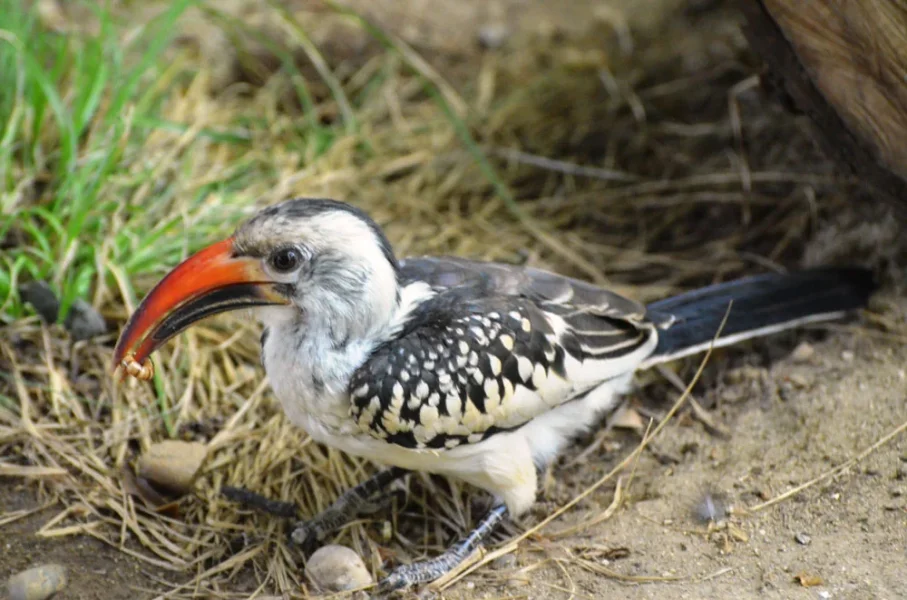
Red-Billed Hornbills have large, heavy bills. To support the weight, their first two neck vertebrae are fused together.​
[/td]​
[td]
[td][/td]​
[/td]​
[td]
image source: saczoo.org​
[/td]​
[td width="100%"]
mail.webp​
[/td]​
[td]
[td]
How would you rate today’s newsletter?​
[/td]​
[/td]​
[/td]​
 

These 10 everyday inventions had an incredible impact on history

Discover

We once lived in a world where banks closed by mid-afternoon, summer heat emptied entire cities, and no one quite knew how to call for help during emergencies. That was everyday reality for much of the 20th century, until a wave of practical inventions rewrote the rules. Breakthroughs like air-conditioning, ZIP codes, and barcodes started chain reactions that eventually reshaped our homes, habits, and economy. Here are ten inventions that changed ordinary life for good.

Read full article
 
[td]
[td]
mail.webp
[td]
November 18, 2026​
[/td]​
[/td]​
[td]
Fact of the DayReptilesSea turtles ‘cry’ giant tears to get rid of excess salt.By Tony DunnellSea turtles may look a bit glum at the best of times, but it isn’t sadness that fuels their “tears” — the science behind this phenomenon is far less sentimental. These animals spend their lives drinking saltwater to stay hydrated, which would be a very bad idea for most other animals, and their kidneys aren’t efficient enough to filter out all that excess salt on their own. So nature gave them a workaround: a specialized secretory gland in each eye, larger than the turtle’s own brain, that pumps concentrated salt directly into their tears. The result looks exactly like crying, but it’s really a built-in desalination system that helps keep the turtle’s body chemistry balanced.Why can some animals live in saltwater while others can’t?
[/td]​
[/td]​
 

Users who are viewing this thread

  • Back
    Top