Welcome!
By registering with us, you'll be able to discuss, share and private message with other members of our community.
SignUp Now!You are using an out of date browser. It may not display this or other websites correctly.
You should upgrade or use an alternative browser.
You should upgrade or use an alternative browser.
Our Health
- Thread starter Jimi
- Start date
More options
Who Replied?
OP
OP

- Joined
- Feb 9, 2025
- Messages
- 4,058
Offline
| Wow, back-to-back weeks talking about new things, it appears, Jim! We try to hammer what we know to be the most solid / foundational things over and over again, because that feels like the responsible thing to do… but it does get a bit monotonous at times, so I always get extra excited when I find something new and exciting.  Have you ever considered the statement that if you want your body to be more oxygenated, you should breathe more carbon dioxide? Might sound wild, but turns out it’s very true! And not just healthy body tissues; what’s really crazy is there’s quite a bit of research around oxygenating the TUMOR microenvironment… which if you ask anyone really into cancer research, they’ll tell you this is one of the hardest things to accomplish, and it’s mostly just hyperbaric oxygen therapy that gets talked about with this. And this isn’t NEW like it just came out; there are actually close to 1,000 studies on carbogen, which is breathing a controlled mixture of 5% or 2% carbon dioxide and oxygen, on PubMed… but it’s new to me within the past year or so, and I’ve still only heard one other online health guy really talking about it. (I don’t really LIKE being one of the first people talking about something, but every time I have been so far, I’ve been proven right down the road, and I’m quite sure the trend will hold on this one.  ) )The two big mechanisms behind carbon dioxide / carbogen are: |
|
| So basically, if oxygen is what needs to be delivered, carbogen is both widening the roads for more trucks to get through, AND increasing the payload from each truck. So what I can say about this for cancer specifically is it’s an AMAZING adjunct to a wide range of therapies. Any oxidative therapy, from chemo / radiation on the conventional side, to ozone / hyperbaric IV C / photodynamic therapy (PDT) on the integrative side, is going to get a nice turbocharge from carbogen. And this is pretty much the only thing I know of that you can do at home, aside from hyperbaric, to directly increase oxygenation inside the tumor, for a fraction of the price of hyperbaric. If you live at elevation, this is HUGE for boosting your overall tissue oxygen saturation. If you know you need more oxygen to the BRAIN - this could be general brain fog, stroke / seizure type concerns, neurodegenerative stuff- this is also one of the big areas carbogen really shines. If you’re generally healthy and just know it’s important to be as oxygenated as possible, and want to be as clear-headed and energized as possible, you’ll want to check it out as well… as this is one of those things that I, as a generally healthy person who’s pretty good (most of the time) about doing all the stuff we talk about here, REALLY feel different from. That said, if you haven’t already guessed, the title of the webinar this week is The Missing Piece of Oxygen Therapy: CO2. I'll be joined by my friend Steven Scott of Carbogenetics… And  you can sign up to attend + ask questions live / catch the replay / get the webinar only deal here!! you can sign up to attend + ask questions live / catch the replay / get the webinar only deal here!!- Ryan Sternagel & The Anti-Cancer Revolution Team |
OP
OP
- Joined
- Feb 9, 2025
- Messages
- 4,058
Offline
| Hi Jimi, |
| Nearly 70% of U.S. medical school hospitals host an on-site fast-food restaurant. In Macon, Georgia, heart attack survivors could once order a Big Mac delivered to their bedside from the McDonald's operating inside their cardiac unit. |
| This doesn’t occur in a vacuum. For years, out of roughly 12,000 questions on the physician certification exam, almost none covered nutrition. |
| That's starting to change. In 2019, Food Revolution Network partnered with the American College of Lifestyle Medicine to develop a Lifestyle Medicine Question Bank that included nutrition. Since then, more than 10,000 clinicians have been certified in Lifestyle Medicine, and the National Board of Medical Examiners is now working to expand nutrition content on medical exams. |
| Then, in March 2026, something shifted further. I was in the room when it happened. |
| Read what changed in medicine in 2026 |
| Yours for taking action, |
| Ocean Robbins |
| P.S. I've spent decades working toward a world where doctors are trained to use food as medicine. March 2026 felt like a turning point. Here’s why. |
OP
OP
- Joined
- Feb 9, 2025
- Messages
- 4,058
Offline
Hi Jimi,
Tonight we will be exploring extraordinary medicinal foods and herbs that boost our energy reserves, support restful SLEEP cycles, and restore our bodies from FATIGUE.
So many of us go through our days feeling worn down and under-rested – it’s time to dive into some vital solutions that are naturally safe and effective. I’m really excited for you to see this one!
You can use either of the two links below to watch it now for free. We are expecting a lot of viewers again tonight, so we’re making Episode 6 available on two different webpages. (If one takes a little while to load, just try the other one!)
Click here to watch Episode 6 - Watch Link A
Click here to watch Episode 6 - Watch Link B
Energy and sleep go hand in hand - and many of us are wondering why we’re fatigued without looking at the connection that exists between these two aspects of ourselves.
When was the last time you got the best night of sleep EVER? You know, the kind of sleep where you wake up in the morning feeling completely rested and restored. Ready to take on the world...
Are there moments where you could use a boost of vital energy that also fills your mind with clarity, focus, and a sense of well-being?
That’s where we’re going tonight!
Click here to watch Episode 6 - Watch Link A
Click here to watch Episode 6 - Watch Link B
Stay curious,
Nick Polizzi
Host of Healing Kitchen: Let Food Be Thy Medicine
Tonight we will be exploring extraordinary medicinal foods and herbs that boost our energy reserves, support restful SLEEP cycles, and restore our bodies from FATIGUE.
So many of us go through our days feeling worn down and under-rested – it’s time to dive into some vital solutions that are naturally safe and effective. I’m really excited for you to see this one!
You can use either of the two links below to watch it now for free. We are expecting a lot of viewers again tonight, so we’re making Episode 6 available on two different webpages. (If one takes a little while to load, just try the other one!)
Click here to watch Episode 6 - Watch Link A
Click here to watch Episode 6 - Watch Link B
Energy and sleep go hand in hand - and many of us are wondering why we’re fatigued without looking at the connection that exists between these two aspects of ourselves.
When was the last time you got the best night of sleep EVER? You know, the kind of sleep where you wake up in the morning feeling completely rested and restored. Ready to take on the world...
Are there moments where you could use a boost of vital energy that also fills your mind with clarity, focus, and a sense of well-being?
That’s where we’re going tonight!
Click here to watch Episode 6 - Watch Link A
Click here to watch Episode 6 - Watch Link B
Stay curious,
Nick Polizzi
Host of Healing Kitchen: Let Food Be Thy Medicine
OP
OP
- Joined
- Feb 9, 2025
- Messages
- 4,058
Offline
[td width="550px"]
 lionessofjudah.substack.com
[/td]
lionessofjudah.substack.com
[/td]
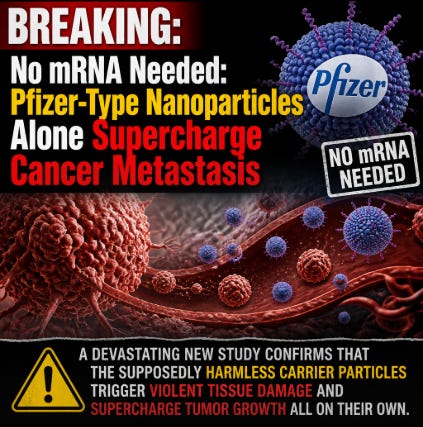
BREAKING: No mRNA Needed: Pfizer-Type Nanoparticles Alone Supercharge Cancer Metastasis
A devastating new study confirms that the supposedly harmless carrier particles trigger violent tissue damage and supercharge tumor growth all on their own.
BREAKING: No mRNA Needed: Pfizer-Type Nanoparticles Alone Supercharge Cancer Metastasis
A devastating new study confirms that the supposedly harmless carrier particles trigger violent tissue damage and supercharge tumor growth all on their own.
lionessofjudah.substack.com
OP
OP
- Joined
- Feb 9, 2025
- Messages
- 4,058
Offline
Hi Jimi,
Last night, we aired Episode 6 on cooking for better sleep + limitless energy, and this one touched a lot of people. The Healing Kitchen series is about far more than medicinal food... it's about connection to our roots, to who we really are, and to the natural world around us.
This episode is split into two parts - the first half is all about foods and remedies to boost energy and reverse fatigue, and the second half covers delicious recipes that will calm your body and give you beautiful and restorative sleep.
If you haven’t had a chance to see it yet, use either of the two links below to watch the Replay of Episode 6 – it will be up until 9pm Eastern Time tonight!
Click here to watch Episode 6 - Watch Link A
Click here to watch Episode 6 - Watch Link B
Wow, there are only 3 more episodes left! What is the next one going to be?
In Episode 7, we'll be seeking out preventive foods and formulas for something that affects millions of people around the world – CANCER.
We’ve all been touched by it in some way, whether it be a friend or family member… or maybe ourselves. We don’t need to discuss the alarming statistics. We all know the severity of the issue.
Tonight instead, let us focus on the hope part — medicinal ingredients and herbal remedies that can prevent cancer and also help to nourish those who are recovering from it.
We’ll also spotlight a touching story of cancer recovery as well as some remarkable work being done by a group of folks in Charleston, South Carolina to deliver nutrient dense healing foods to patients who are working to overcome cancer.
This episode will make you laugh. It will make you cry. It will fill you with inspiration… Those of us behind the cameras were transformed just from filming what you’re about to see.
I’ll be sending you more details - including your links to watch Episode 7 - later today. But in the meantime, make sure to watch Episode 6 while it’s still up!
Click here to watch Episode 6 - Watch Link A
Click here to watch Episode 6 - Watch Link B
Last night, we aired Episode 6 on cooking for better sleep + limitless energy, and this one touched a lot of people. The Healing Kitchen series is about far more than medicinal food... it's about connection to our roots, to who we really are, and to the natural world around us.
This episode is split into two parts - the first half is all about foods and remedies to boost energy and reverse fatigue, and the second half covers delicious recipes that will calm your body and give you beautiful and restorative sleep.
If you haven’t had a chance to see it yet, use either of the two links below to watch the Replay of Episode 6 – it will be up until 9pm Eastern Time tonight!
Click here to watch Episode 6 - Watch Link A
Click here to watch Episode 6 - Watch Link B
Wow, there are only 3 more episodes left! What is the next one going to be?
In Episode 7, we'll be seeking out preventive foods and formulas for something that affects millions of people around the world – CANCER.
We’ve all been touched by it in some way, whether it be a friend or family member… or maybe ourselves. We don’t need to discuss the alarming statistics. We all know the severity of the issue.
Tonight instead, let us focus on the hope part
— medicinal ingredients and herbal remedies that can prevent cancer and also help to nourish those who are recovering from it.We’ll also spotlight a touching story of cancer recovery as well as some remarkable work being done by a group of folks in Charleston, South Carolina to deliver nutrient dense healing foods to patients who are working to overcome cancer.
This episode will make you laugh. It will make you cry. It will fill you with inspiration… Those of us behind the cameras were transformed just from filming what you’re about to see.
I’ll be sending you more details - including your links to watch Episode 7 - later today. But in the meantime, make sure to watch Episode 6 while it’s still up!
Click here to watch Episode 6 - Watch Link A
Click here to watch Episode 6 - Watch Link B
OP
OP
- Joined
- Feb 9, 2025
- Messages
- 4,058
Offline
[td] [td]  |
[td] HEALTH HACK: The bacteria living on the back of your tongue convert dietary nitrate into nitrite, which your body then turns into nitric oxide, the molecule that relaxes your blood vessels. Antiseptic mouthwash wipes out those ‘good’ bacteria at the same time as the ‘bad’ ones. In a three-year study, adults who rinsed twice a day or more developed high blood pressure at more than double the rate of people who never used it.[/td]
HEALTH HACK: The bacteria living on the back of your tongue convert dietary nitrate into nitrite, which your body then turns into nitric oxide, the molecule that relaxes your blood vessels. Antiseptic mouthwash wipes out those ‘good’ bacteria at the same time as the ‘bad’ ones. In a three-year study, adults who rinsed twice a day or more developed high blood pressure at more than double the rate of people who never used it.[td] MAGICAL PLACE: In northeastern Brazil sits a 600-square-mile field of white sand dunes that fills with thousands of turquoise rain pools every year. Some of the lagoons at Lençóis Maranhenses stretch 300 feet and run warm enough to swim in (you need to see the pictures). Something called wolf fish live here, burrowing into the mud and going dormant when the water evaporates, then surfacing when the rains return.[/td]
MAGICAL PLACE: In northeastern Brazil sits a 600-square-mile field of white sand dunes that fills with thousands of turquoise rain pools every year. Some of the lagoons at Lençóis Maranhenses stretch 300 feet and run warm enough to swim in (you need to see the pictures). Something called wolf fish live here, burrowing into the mud and going dormant when the water evaporates, then surfacing when the rains return.[td] DID YOU KNOW?: Hummingbirds drop into a nightly state called torpor, letting their body temperature fall more than 20 degrees while their metabolism slows by as much as 95%. In midsummer they only do this when fat stores run low, but in late summer they'll enter torpor while carrying up to 40% body fat, banking energy for the flight south.[/td]
DID YOU KNOW?: Hummingbirds drop into a nightly state called torpor, letting their body temperature fall more than 20 degrees while their metabolism slows by as much as 95%. In midsummer they only do this when fat stores run low, but in late summer they'll enter torpor while carrying up to 40% body fat, banking energy for the flight south.
OP
OP
- Joined
- Feb 9, 2025
- Messages
- 4,058
Offline
| |
[td] HEALTHY HOME: Before the furnace kicks on for the season, find out what your indoor humidity is. Forced air pulls most homes below 30% relative humidity, which dries out the mucous membranes that trap viruses before they get anywhere. Stanford chemists found that raising humidity from 15% to 50% multiplied hydrogen peroxide in airborne droplets by 3.5x, which is a disinfectant the air makes on its own. A humidifier in the bedroom will hold you in the 40 to 60% range.[/td]
HEALTHY HOME: Before the furnace kicks on for the season, find out what your indoor humidity is. Forced air pulls most homes below 30% relative humidity, which dries out the mucous membranes that trap viruses before they get anywhere. Stanford chemists found that raising humidity from 15% to 50% multiplied hydrogen peroxide in airborne droplets by 3.5x, which is a disinfectant the air makes on its own. A humidifier in the bedroom will hold you in the 40 to 60% range.[td] NUTRITION 101: Mushrooms produce vitamin D the same way your skin does, and can keep producing even when you bring them home. Researchers set sliced white button mushrooms outside for 15 minutes of midday sun and measured huge gains of vitamin D per serving, with oyster and shiitake even higher. Set the gills facing the sky, since that's where the conversion happens. Slice, set them on the porch while you make lunch, and then cook as usual.[/td]
NUTRITION 101: Mushrooms produce vitamin D the same way your skin does, and can keep producing even when you bring them home. Researchers set sliced white button mushrooms outside for 15 minutes of midday sun and measured huge gains of vitamin D per serving, with oyster and shiitake even higher. Set the gills facing the sky, since that's where the conversion happens. Slice, set them on the porch while you make lunch, and then cook as usual.[td] REGENERATIVE FUTURE: Two years after the last of four dams came down on the Klamath River, more than 20k chinook have pushed upstream, and recolonized roughly 90% of their historic range. They reached the upper basin within months, the first time in over a century. Recovery is still fragile with low snowpack, but the fish found the river faster than anyone predicted.[/td]
REGENERATIVE FUTURE: Two years after the last of four dams came down on the Klamath River, more than 20k chinook have pushed upstream, and recolonized roughly 90% of their historic range. They reached the upper basin within months, the first time in over a century. Recovery is still fragile with low snowpack, but the fish found the river faster than anyone predicted.[td]
[/td]
[td]
 [/td]
[/td]
[td]
[/td]
[td]
[/td]
[td]
❝
[/td][td]
“Sometimes the smallest step in the right direction ends up being the biggest step of your life.”
[/td][td]
— Naeem Callaway
[/td]
OP
OP
- Joined
- Feb 9, 2025
- Messages
- 4,058
Offline

[td]
Mornings here have started dipping into the 40s, and I've been experimenting with what drinks give me the best start to the day. Pique's Pu'er Tea Duo is a fermented tea, which means the leaves keep fermenting after they're picked and processed, closer to what happens in a crock of sauerkraut than in a standard tea bag. People in Yunnan have been drinking it for roughly 1,200 years, mostly for digestion and steady energy.
[/td][td]
[/td]
[td]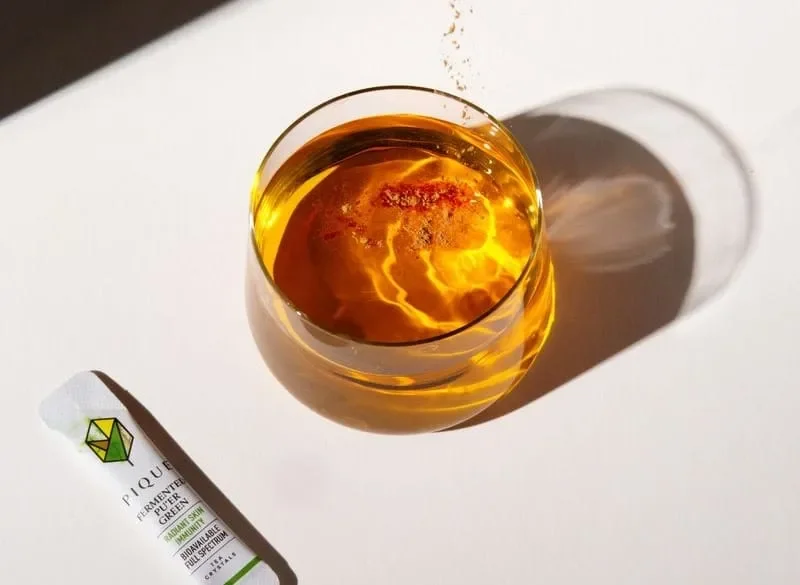 [/td]
[/td]
[td]
Black in the morning, green in the afternoon. Both come as crystals in single-serve sachets, pulled from 250-year-old tea trees in the Himalayan foothills and cold-extracted rather than heat-processed, so the polyphenols and live cultures make it into the cup. The black runs 58 to 87 mg of caffeine, the green 41 to 61, so they don't hit you like an espresso.
[/td]
[/td]
[/td]
[/td]
[/td]

 Foraging and mushroom season
 Fires, soups, and slow mornings
 Hiking without the heat
[td]
 ️️️️️️️️️
  Winter (4.2%)
 ️️️
️️️  Spring (31.2%)
 ️️️️️️
  Summer (18.8%)

 Fall (45.8%)[/td]
️️️️️️️️️ Winter (4.2%)️️️ Spring (31.2%)️️️️️️ Summer (18.8%) Fall (45.8%)
OP
OP
- Joined
- Feb 9, 2025
- Messages
- 4,058
Offline

There’s more to time than the clock
Dear Jimi,Having a good calendar system does not necessarily mean you have a good relationship with time.
You can have everything meticulously organized and still fall behind. You can finish ten things but waste the day fretting about the eleventh.
And luckily there are also those days when you get absorbed in something important, accomplish far more than you expected, and wonder where the time went.
The clock works the same way on those days, but your experience of time certainly does not.
What would change if time stopped feeling
like something you were always chasing?
How much of each day’s 24 hours gets lost to mental clutter, misplaced priorities, interruptions you didn't need to accept, or trying to force yourself to do something difficult when your brain is already spent?You could be better at recognizing what matters and making room for sustained attention. You could use more of your mind's resources instead of trying to muscle your way through everything consciously.
And perhaps most interestingly, you could change the way you experience the time you're living in.
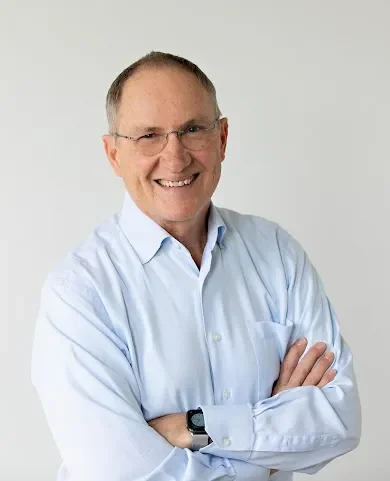
He is the master of directing the nonconscious mind so that the mental strategies you learn become an automatic part of your daily life.
Instead of asking how to fit more into a day, you will discover a new way to use your time well and experience it differently while you are living it.
For 8 days, all eight sessions of Mastering Time will be available to watch online at your convenience, absolutely free in the Mastering Time Mindfest.
Like so many others, we’re confident you’ll receive tremendous value from your free Mastering Time Mindfest training with Dr. Paul. It begins on Monday, September 14!
You already have a Free Pass.
OP
OP
- Joined
- Feb 9, 2025
- Messages
- 4,058
Offline
| Hi Jimi, |
| Nearly 70% of U.S. medical school hospitals host an on-site fast-food restaurant. In Macon, Georgia, heart attack survivors could once order a Big Mac delivered to their bedside from the McDonald's operating inside their cardiac unit. |
| This doesn’t occur in a vacuum. For years, out of roughly 12,000 questions on the physician certification exam, almost none covered nutrition. |
| That's starting to change. In 2019, Food Revolution Network partnered with the American College of Lifestyle Medicine to develop a Lifestyle Medicine Question Bank that included nutrition. Since then, more than 10,000 clinicians have been certified in Lifestyle Medicine, and the National Board of Medical Examiners is now working to expand nutrition content on medical exams. |
| Then, in March 2026, something shifted further. I was in the room when it happened. |
| Read what changed in medicine in 2026 |
| Yours for taking action, |
| Ocean Robbins |
| P.S. I've spent decades working toward a world where doctors are trained to use food as medicine. March 2026 felt like a turning point. Here’s why. |
OP
OP
- Joined
- Feb 9, 2025
- Messages
- 4,058
Offline
[td] [/td]
[/td]
| We have handpicked some of the tastiest, healthiest fruits and vegetables for your late-summer feast and for year-round health benefits. |
[td][/td]
[td]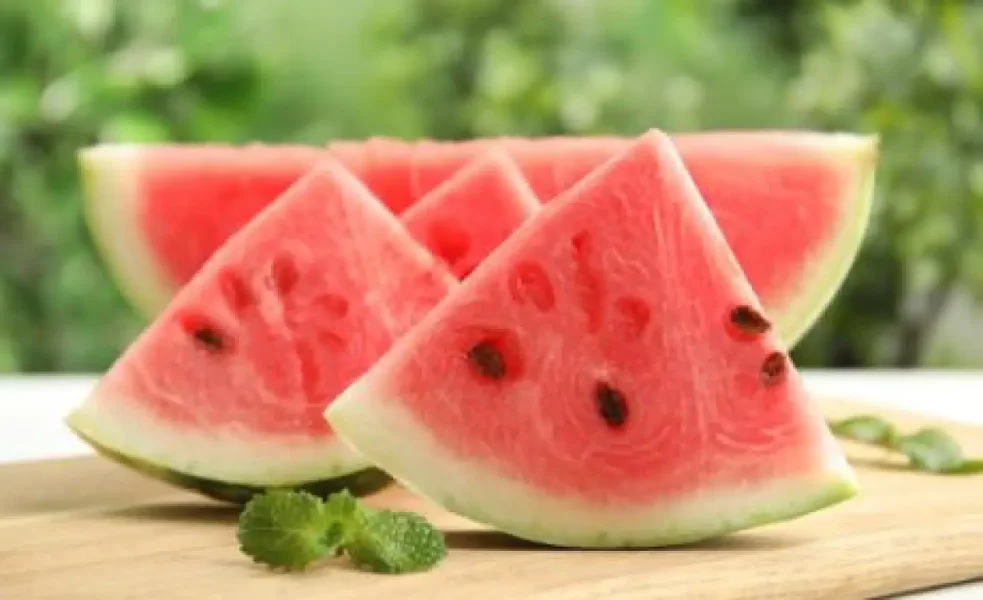 [/td]
[/td]
| Here are the "big four" benefits of watermelons for health and wellbeing, mainly due to their rich antioxidant and lycopene content. |
[td][/td]

OP
OP
- Joined
- Feb 9, 2025
- Messages
- 4,058
Offline
|
[td width="40px"]
 [/td]
[/td]
OP
OP
- Joined
- Feb 9, 2025
- Messages
- 4,058
Offline
AS EX_SMOKERS WE ALL SHOULD CONSIDER THIS TOIF NOTHING ELSE TO REPAIR THE DAMMAGE DONE
Have you ever considered the statement that if you want your body to be more oxygenated, you should breathe more carbon dioxide? Might sound wild, but turns out it’s very true! And not just healthy body tissues; what’s really crazy is there’s quite a bit of research around oxygenating the TUMOR microenvironment… which if you ask anyone really into cancer research, they’ll tell you this is one of the hardest things to accomplish, and it’s mostly just hyperbaric oxygen therapy that gets talked about with this. And this isn’t NEW like it just came out; there are actually close to 1,000 studies on carbogen, which is breathing a controlled mixture of 5% or 2% carbon dioxide and oxygen, on PubMed… but it’s new to me within the past year or so, and I’ve still only heard one other online health guy really talking about it. (I don’t really LIKE being one of the first people talking about something, but every time I have been so far, I’ve been proven right down the road, and I’m quite sure the trend will hold on this one. )The two big mechanisms behind carbon dioxide / carbogen are: |
|
| So basically, if oxygen is what needs to be delivered, carbogen is both widening the roads for more trucks to get through, AND increasing the payload from each truck. So what I can say about this for cancer specifically is it’s an AMAZING adjunct to a wide range of therapies. Any oxidative therapy, from chemo / radiation on the conventional side, to ozone / hyperbaric IV C / photodynamic therapy (PDT) on the integrative side, is going to get a nice turbocharge from carbogen. And this is pretty much the only thing I know of that you can do at home, aside from hyperbaric, to directly increase oxygenation inside the tumor, for a fraction of the price of hyperbaric. If you live at elevation, this is HUGE for boosting your overall tissue oxygen saturation. If you know you need more oxygen to the BRAIN - this could be general brain fog, stroke / seizure type concerns, neurodegenerative stuff- this is also one of the big areas carbogen really shines. If you’re generally healthy and just know it’s important to be as oxygenated as possible, and want to be as clear-headed and energized as possible, you’ll want to check it out as well… as this is one of those things that I, as a generally healthy person who’s pretty good (most of the time) about doing all the stuff we talk about here, REALLY feel different from. That said, if you haven’t already guessed, the title of the webinar this week is The Missing Piece of Oxygen Therapy: CO2. I'll be joined by my friend Steven Scott of Carbogenetics… And you can sign up to attend + ask questions live / catch the replay / get the webinar only deal here!! |
OP
OP
- Joined
- Feb 9, 2025
- Messages
- 4,058
Offline
We Are Not Powerless: Genetic Resilience Is the Only Real Prep for the Coming Assaults on Humanity
For years, I have prepared for the external threats that dominate the news cycle -- stockpiling food, securing water, and learning the skills needed to survive a collapse. But as...
OP
OP
- Joined
- Feb 9, 2025
- Messages
- 4,058
Offline
[td width="550px"]
 sayerji.substack.com
[/td]
sayerji.substack.com
[/td]
25 Cancer Stem Cell Killing Foods: What Oncology Now Admits About the Cells Beneath the Tumor
25 Cancer Stem Cell Killing Foods: What Oncology Now Admits About the Cells Beneath the Tumor
“When we talk about resistance to chemo and radiation, it’s really just a way of blaming the victim.”
sayerji.substack.com
Users who are viewing this thread
Total: 11 (members: 0, guests: 11)
Online statistics
- Members online
- 1
- Guests online
- 84
- Total visitors
- 85
- Robots
- 363
Totals may include hidden visitors.
Trending content
-
 Thread 'Music Game - Keep a word, drop a word from the song title or artist name'
- gopher_byrd
Replies: 2K -

-
-
-


