Welcome!
By registering with us, you'll be able to discuss, share and private message with other members of our community.
SignUp Now!You are using an out of date browser. It may not display this or other websites correctly.
You should upgrade or use an alternative browser.
You should upgrade or use an alternative browser.
Our Health
- Thread starter Jimi
- Start date
More options
Who Replied?
OP
OP

- Joined
- Feb 9, 2025
- Messages
- 4,083
Offline
[td]
[/td]
|

[td width="40px"]
 [/td]
[/td]
[td width="40px"]
[/td]
[td]
[/td]
[td]
[/td]
[/td]
[td]  |
[td width="40px"]
[/td]
[td width="40px"]
[/td]
[td]
[/td]
[td]
[/td]
[td]
[/td]
[td width="40px"]
[/td]
OP
OP
- Joined
- Feb 9, 2025
- Messages
- 4,083
Offline
[td]
[/td]
[td]
[/td]
[td]
Dear Jimi,
Hello, Friday!
Somewhere between two and four in the morning, you wake up.
Not for any reason. You just do.
Your heart is going faster than it should be for someone lying still in the dark.
You check the clock, work out how much sleep is left, and lie there.
But your body is still on duty.
Somewhere along the way it stopped believing the day was over, and it has been standing guard every night since.
Heart rate up, blood pressure up, and none of the repair work that should happen while you sleep.
Night after night, your risk of getting a heart attack rises, regardless of what your cholesterol happens to say.
And nobody at any appointment has ever asked how you sleep.
The good news is that the body will stand down. It only has to be told, and the telling takes five minutes.
That’s why at Zonia we released a brand-new free guide called "7 Breathing Techniques to Save Your Heart."
It shows you the one you can use tonight, in the dark, without getting up or taking anything.
Get your free copy of this new guide: "7 Breathing Techniques to Save Your Heart."
[/td]Hello, Friday!
Somewhere between two and four in the morning, you wake up.
Not for any reason. You just do.
Your heart is going faster than it should be for someone lying still in the dark.
You check the clock, work out how much sleep is left, and lie there.
But your body is still on duty.
Somewhere along the way it stopped believing the day was over, and it has been standing guard every night since.
Heart rate up, blood pressure up, and none of the repair work that should happen while you sleep.
Night after night, your risk of getting a heart attack rises, regardless of what your cholesterol happens to say.
And nobody at any appointment has ever asked how you sleep.
The good news is that the body will stand down. It only has to be told, and the telling takes five minutes.
That’s why at Zonia we released a brand-new free guide called "7 Breathing Techniques to Save Your Heart."
It shows you the one you can use tonight, in the dark, without getting up or taking anything.
Get your free copy of this new guide: "7 Breathing Techniques to Save Your Heart."
[td]
[/td]
[td]
[/td]
[td] [/td]
[/td]
[td]
[/td]
[td]
[/td]
[td]
And that free guide is just the beginning.
When you sign up today, you'll also be invited to join HEARTproof — an exclusive online event where 36 of the world's top cardiologists unpack what the guide only begins to explain.
You'll discover:
So tonight, when you wake at the same hour again, you will have something to do about it other than watch the clock.
Click here to claim your free guide and your seat at the HEARTproof exclusive event today, and use the first technique right away.
[/td]When you sign up today, you'll also be invited to join HEARTproof — an exclusive online event where 36 of the world's top cardiologists unpack what the guide only begins to explain.
You'll discover:
- Why loud snoring may be doing more damage than your last cholesterol reading
- The nerve that works as an off switch for your whole system, and how to reach it
- What happens to your blood vessels when your brain's overnight cleaning system stalls
- Why your resting heart rate alone never showed anyone the real picture, and the number that does
- How sleep apnea keeps getting missed in people who are thin, fit, and nowhere near the profile for it
So tonight, when you wake at the same hour again, you will have something to do about it other than watch the clock.
Click here to claim your free guide and your seat at the HEARTproof exclusive event today, and use the first technique right away.
OP
OP
- Joined
- Feb 9, 2025
- Messages
- 4,083
Offline

OP
OP
- Joined
- Feb 9, 2025
- Messages
- 4,083
Offline
Hi Jimi, it’s Sarah.
Most people think food sensitivities are about what they can’t eat.
“Dairy doesn't agree with me.”
“I can't do bread.”
But the foods you already avoid often aren’t the whole story. Sometimes they’re not even the real problem.
That’s because food reactions rarely announce themselves the way you’d expect.
They don't always show up in your stomach as bloating or indigestion. They can look like a headache, achy joints, a rash, or that heavy, tired feeling that drags you onto the couch by mid-afternoon.
On top of that, reactions don’t usually happen right away.
Symptoms of food intolerance often show up a few hours after you eat. By then, you've moved on to your next meal (or two), so it’s easy to blame the wrong thing.
Which means a food you think is perfectly fine could be secretly working behind the scenes to make you feel rotten.
It also explains why so many people cut out food after food and still don’t feel better. Their “safe” list keeps shrinking, but the symptoms stay.
Think you might have a food allergy? Or do you have food allergies and want effective, expert-recommended ways to support your health?
Then don’t miss the upcoming Food Sensitivity Summit.
⇒ Click here to learn more and claim your seat — it’s free!
At this online Summit, 15 experts — including Dr. Datis Kharrazian, Dr. Christine Shaffner, Angela Pifer, and more — will explain:
Most importantly, you’ll learn how to find what’s behind your reactions, so you can stop guessing and take back control of your plate (instead of letting it control you).
And when you sign up today, you’ll also get two free guides: The Ultimate Detox Guide and The Anti-Inflammation Playbook.
⇒ Save your free spot for the Food Sensitivity Summit
Yours for better health naturally,
Most people think food sensitivities are about what they can’t eat.
“Dairy doesn't agree with me.”
“I can't do bread.”
But the foods you already avoid often aren’t the whole story. Sometimes they’re not even the real problem.
That’s because food reactions rarely announce themselves the way you’d expect.
They don't always show up in your stomach as bloating or indigestion. They can look like a headache, achy joints, a rash, or that heavy, tired feeling that drags you onto the couch by mid-afternoon.
On top of that, reactions don’t usually happen right away.
Symptoms of food intolerance often show up a few hours after you eat. By then, you've moved on to your next meal (or two), so it’s easy to blame the wrong thing.
Which means a food you think is perfectly fine could be secretly working behind the scenes to make you feel rotten.
It also explains why so many people cut out food after food and still don’t feel better. Their “safe” list keeps shrinking, but the symptoms stay.
Think you might have a food allergy? Or do you have food allergies and want effective, expert-recommended ways to support your health?
Then don’t miss the upcoming Food Sensitivity Summit.
⇒ Click here to learn more and claim your seat — it’s free!
At this online Summit, 15 experts — including Dr. Datis Kharrazian, Dr. Christine Shaffner, Angela Pifer, and more — will explain:
- Why food sensitivities have exploded recently…
- Why you can be sensitive to bread but not to gluten…
- Why gut health starts in the mouth…
- The top 10 strategies to improve food sensitivities…
- Why chronic gut inflammation sparks neuroinflammation…
- And so much more!
Most importantly, you’ll learn how to find what’s behind your reactions, so you can stop guessing and take back control of your plate (instead of letting it control you).
And when you sign up today, you’ll also get two free guides: The Ultimate Detox Guide and The Anti-Inflammation Playbook.
⇒ Save your free spot for the Food Sensitivity Summit
Yours for better health naturally,
OP
OP
- Joined
- Feb 9, 2025
- Messages
- 4,083
Offline
| ||||||
| ||||||
| ||||||
|

OP
OP
- Joined
- Feb 9, 2025
- Messages
- 4,083
Offline
[td] | |

 Planet Health
[td]
ECL TRIVIA: What are the smoke-derived compounds that can trigger seed germination after wildfires? (Answer below)
[/td][td]
[/td]
[td]
 [/td]
[/td]
[td]
[/td]
[td]
[/td]
[td] COASTAL CLEANUP: Did you know litter in America is down 34% overall since 2020? Over 4k people in San Diego, CA volunteered last week to clean up the coast, collecting 103k lbs of litter and debris. And, learn more about the “trash pick-up kayaks” provided to volunteers HERE.[/td]
COASTAL CLEANUP: Did you know litter in America is down 34% overall since 2020? Over 4k people in San Diego, CA volunteered last week to clean up the coast, collecting 103k lbs of litter and debris. And, learn more about the “trash pick-up kayaks” provided to volunteers HERE.[td] BIG LEAP FORWARD: Scientists are seeing success with the release and reintroduction of this beautiful endangered frog in Southern California, high up in the San Gabriel Mountains. Learn about the global fungus affecting them, how these frogs promise “hope,” and how “they add a layer of interconnectedness to an ecosystem that not a lot of animals do because they have two separate life stages.”[/td]
BIG LEAP FORWARD: Scientists are seeing success with the release and reintroduction of this beautiful endangered frog in Southern California, high up in the San Gabriel Mountains. Learn about the global fungus affecting them, how these frogs promise “hope,” and how “they add a layer of interconnectedness to an ecosystem that not a lot of animals do because they have two separate life stages.”[td] ALASKAN TSUNAMI: Last year, a massive landslide in an Alaskan fjord triggered the second largest tsunami ever recorded (water and debris rose 1.5k feet!) but luckily, no one was present or harmed. Now, scientists are describing how this happened and what it looked like, alert systems that could help in the future, and how to build public awareness for less remote areas.[/td]
ALASKAN TSUNAMI: Last year, a massive landslide in an Alaskan fjord triggered the second largest tsunami ever recorded (water and debris rose 1.5k feet!) but luckily, no one was present or harmed. Now, scientists are describing how this happened and what it looked like, alert systems that could help in the future, and how to build public awareness for less remote areas.
OP
OP
- Joined
- Feb 9, 2025
- Messages
- 4,083
Offline
[td]
[/td]
[/td]
[/td]
[td] [td] | ||

|
[td]
[/td]
| |
| |
|
 Human Health
 ULTRA-PROCESSED: What does eating more ultra-processed food mean for your health? A huge multi-decade analysis of 8.8M adults across 50+ studies revealed that higher consumption of UPF was linked to greater risks of heart disease, cancer, diabetes, digestive problems, depression, and early death. Click HERE to learn risks of 100 excess grams consumed per day.
 QUIET POISON: We’re so careful about the food we consume, but what about the plastic we ingest and touch daily? “92.8% of assessed plastic chemicals present a high risk to human health,” Environmental Justice Foundation warns. Click HERE to watch their 5 minute film about the types of plastic we want to reduce exposure to, and their call to governments globally for a plastics treaty.
 7 MIN MEDITATION: Do you have less than 10 minutes to make a mental change? This initial study of 1.3k+ people found that a “7-minute digital meditation session was associated with immediate changes.”
 A Healthier Home Starts HereHow healthy is your home? The cookware, detergent, lighting, and products we use every day deserve a closer look.I created the 14-Day Healthy Home Reset to help you work through those choices with more confidence. Through short video lessons and practical daily actions, we’ll walk through your home, sharing what to look for and where simple changes can make a difference.You can start with what you have and upgrade as things need replacing.The course is included in our Earth Conscious Life community, where you can ask questions and share your progress.Join us and start your reset.JOIN THE 14-DAY HEALTHY HOME RESET
[td]
[/td]
[td]
[/td]
[td]
[/td]
[td]
[/td]
[td]
[/td]
[td]
 [/td]
[/td]
OP
OP
- Joined
- Feb 9, 2025
- Messages
- 4,083
Offline
|

[/td]
[td]
[/td]
[td]
❝ “How beautiful the leaves grow old. How full of light and color are their last days.” — John Burroughs
[/td][td]
[/td]
[td]
[/td]
[td]
Answer: Karrikins. They signal that competition is reduced and nutrients may be available in freshly cleared soil.[/td]
Answer: Karrikins. They signal that competition is reduced and nutrients may be available in freshly cleared soil.
[td]
[/td]
[td]
[/td]
[td]
[/td]
OP
OP
- Joined
- Feb 9, 2025
- Messages
- 4,083
Offline
A few years ago, one of the most influential Zen masters of our time, Thich Nhat Hanh, departed his physical body at age 95. Lovingly known as the "father of mindfulness," his wisdom lives on and continues to heal and inspire millions worldwide.
To celebrate his life, I've included a powerful Buddhist prayer below. But first, here is some advice from Thich Nhat Hanh on the "right way to pray."
When I first read these words from him, they blew me away...
“If you are standing on one shore and want to cross over to the other shore, you have to use a boat or swim across. You cannot just pray, ‘Oh, other shore, please come over here for me to step across!’ To a Buddhist, praying without also practicing is not real prayer.
"In a real prayer, you ask only for the things you really need, things that are necessary for your well-being, such as peace, solidity, and freedom... freedom from anger, fear and craving. Happiness and well-being are not possible without peace, solidity and freedom. Most of our desires are not for our peace, solidity and freedom.
"While you pray, you are deeply aware of what you really need and what is just the object of your desire. This kind of prayer is the light of God that shines upon you, telling you which way to go in order to obtain peace, solidity and freedom. In a real prayer, you also touch the wholesome seeds in your consciousness and water them. These are seeds of compassion, love, understanding, forgiveness and joy.
"If while praying you can recognize these seeds in you and help them grow, your prayer is already a deep practice."
I hope this deep reflection touched something within you, as it did me. Here is a Buddhist prayer for love and compassion that embodies Thich Nhat Hanh's words above.
The Nine Prayers
May I be peaceful, happy, and light in body and spirit.
May I be free from injury. May I live in safety.
May I be free from disturbance, fear, anxiety, and worry.
May I learn to look at myself with the eyes of understanding and love.
May I be able to recognize and touch the seeds of joy and happiness in myself.
May I learn to identify and see the sources of anger, craving, and delusion in myself.
May I know how to nourish the seeds of joy in myself every day.
May I be able to live fresh, solid, and free.
May I be free from attachment and aversion, but not be indifferent.
To honoring and nourishing the soul light that lives inside of you.
Stay curious,
To celebrate his life, I've included a powerful Buddhist prayer below. But first, here is some advice from Thich Nhat Hanh on the "right way to pray."
When I first read these words from him, they blew me away...
“If you are standing on one shore and want to cross over to the other shore, you have to use a boat or swim across. You cannot just pray, ‘Oh, other shore, please come over here for me to step across!’ To a Buddhist, praying without also practicing is not real prayer.
"In a real prayer, you ask only for the things you really need, things that are necessary for your well-being, such as peace, solidity, and freedom... freedom from anger, fear and craving. Happiness and well-being are not possible without peace, solidity and freedom. Most of our desires are not for our peace, solidity and freedom.
"While you pray, you are deeply aware of what you really need and what is just the object of your desire. This kind of prayer is the light of God that shines upon you, telling you which way to go in order to obtain peace, solidity and freedom. In a real prayer, you also touch the wholesome seeds in your consciousness and water them. These are seeds of compassion, love, understanding, forgiveness and joy.
"If while praying you can recognize these seeds in you and help them grow, your prayer is already a deep practice."
I hope this deep reflection touched something within you, as it did me. Here is a Buddhist prayer for love and compassion that embodies Thich Nhat Hanh's words above.
The Nine Prayers
May I be peaceful, happy, and light in body and spirit.
May I be free from injury. May I live in safety.
May I be free from disturbance, fear, anxiety, and worry.
May I learn to look at myself with the eyes of understanding and love.
May I be able to recognize and touch the seeds of joy and happiness in myself.
May I learn to identify and see the sources of anger, craving, and delusion in myself.
May I know how to nourish the seeds of joy in myself every day.
May I be able to live fresh, solid, and free.
May I be free from attachment and aversion, but not be indifferent.
To honoring and nourishing the soul light that lives inside of you.
Stay curious,
OP
OP
- Joined
- Feb 9, 2025
- Messages
- 4,083
Offline
[td width="40px"] 
|
Hey JimiA brand new podcast is out now with Dr Jay Wiles, one of the world’s leading experts in heart rate variability (HRV) and the nervous system.HRV is the tiny change in time between each heartbeat. It can give us clues about how well your body is dealing with stress, recovering and adapting to everyday life.In this episode, Jay shares practical tools you can start using today to handle stress better, improve sleep and recovery, and train your nervous system to become more resilient over time.We also talk about what your HRV score really means, whether you can trust your Oura Ring or smartwatch, and why simply trying to get your HRV number higher may be the wrong goal. Jay also explains how slow and resonance breathing can change your HRV in the moment, and why regular practice may help create longer-term changes in the way your nervous system responds to stress. If you’ve ever wondered why you still feel tired, stressed or poorly recovered even when you’re trying to do everything right, I think you’ll get a lot from this one. Watch on YouTube → [YOUTUBE LINK]Listen on Spotify → [SPOTIFY LINK]Hope you enjoy it! |
[td width="40px"]
[/td]
[/td]
[/td]
[/td]
[/td]
[/td]
OP
OP
- Joined
- Feb 9, 2025
- Messages
- 4,083
Offline

The Replacements Are Here: Why AI Keeps Getting Smarter While Dumbed-Down Humans Stay in Denial
I build with AI every day, and last week I rendered a 27-shot music video locally, right here on my own hardware, with no animation team, no studio, and no budget beyond a few...
OP
OP
- Joined
- Feb 9, 2025
- Messages
- 4,083
Offline
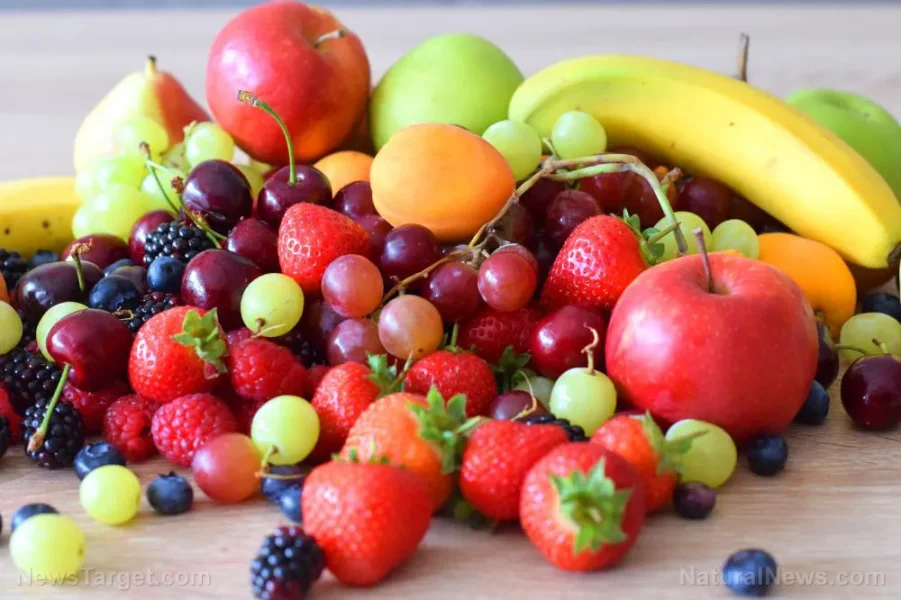
Endocrinologists reveal 7 fruits that stabilize blood sugar without sacrificing flavor
For decades, individuals managing diabetes or prediabetes received conflicting advice about fruit consumption. Some medical guidance warned against fruit entirely due to its...
OP
OP
- Joined
- Feb 9, 2025
- Messages
- 4,083
Offline

Food Safety Becomes Midterm Election Issue After Record Cyclospora Outbreak, Recalls
Food safety emerged as a midterm election issue after a summer Cyclospora outbreak linked to lettuce and recalls of tens of thousands of pounds of imported meat, according to...
OP
OP
- Joined
- Feb 9, 2025
- Messages
- 4,083
Offline
OP
OP
- Joined
- Feb 9, 2025
- Messages
- 4,083
Offline
OP
OP
- Joined
- Feb 9, 2025
- Messages
- 4,083
Offline
| ||
[td]
[/td]
 |
[td][/td]
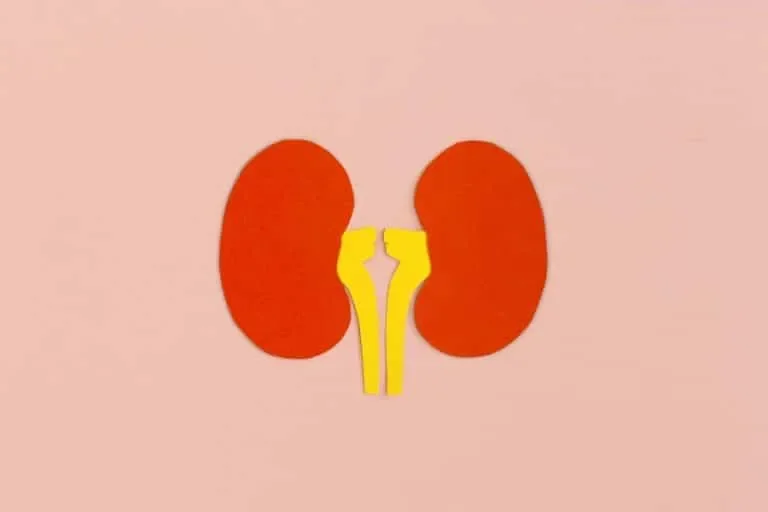
Best Ways To Keep Your Kidneys Healthy
OP
OP
- Joined
- Feb 9, 2025
- Messages
- 4,083
Offline
[td] [/td]
[/td]
| A meta-analysis published on the eve of Breast Cancer Awareness Month declares overdiagnosis “less than 5%.” Its benchmark is its lead author’s own 2013 study, drawn from a dataset the same researchers showed in 2018 can yield anywhere from 1% to 55%. |
[td][/td]
Users who are viewing this thread
Total: 2 (members: 0, guests: 2)
Online statistics
- Members online
- 1
- Guests online
- 89
- Total visitors
- 90
- Robots
- 339
Totals may include hidden visitors.
Trending content
-
 Thread 'Music Game - Keep a word, drop a word from the song title or artist name'
- gopher_byrd
Replies: 2K -

-
-
-


